Blog
Spring Tune-up: Fewer Emergencies, More Peace of Mind
Spring is the perfect time to give your plumbing and heating a little extra attention. After months of cold weather, melting snow and shifting ground can put a lot of pressure on pipes, drains, and heating systems. When small problems are left alone, they often turn into big surprises that need an emergency plumber at the worst possible time.
Slow drains, tiny leaks under a sink, or water that suddenly turns hot or cold may not seem like a big deal. But those are often early warning signs of clogs, worn parts, or stress on your system. Taking care of them in spring helps you avoid midnight leaks, overflowing toilets, and no-heat or no-hot-water days later in the year.
A simple spring tune-up helps you:
- Cut down on surprise breakdowns
- Keep repair work smaller and easier
- Stretch the life of water heaters and heating systems
- Keep your home more comfortable and efficient
Our team at Willowbrook Plumbing and Heating has spent many years helping homeowners and businesses in Langley and nearby communities catch these issues early, so they can spend less time worrying about emergencies and more time enjoying their homes.
Inspect Indoor Plumbing Before Summer Arrives
Once the weather starts to warm up, it is a good time to walk through your home and keep an eye out for plumbing issues. You do not need tools for this, just a bit of time and a careful look.
Start by checking visible plumbing:
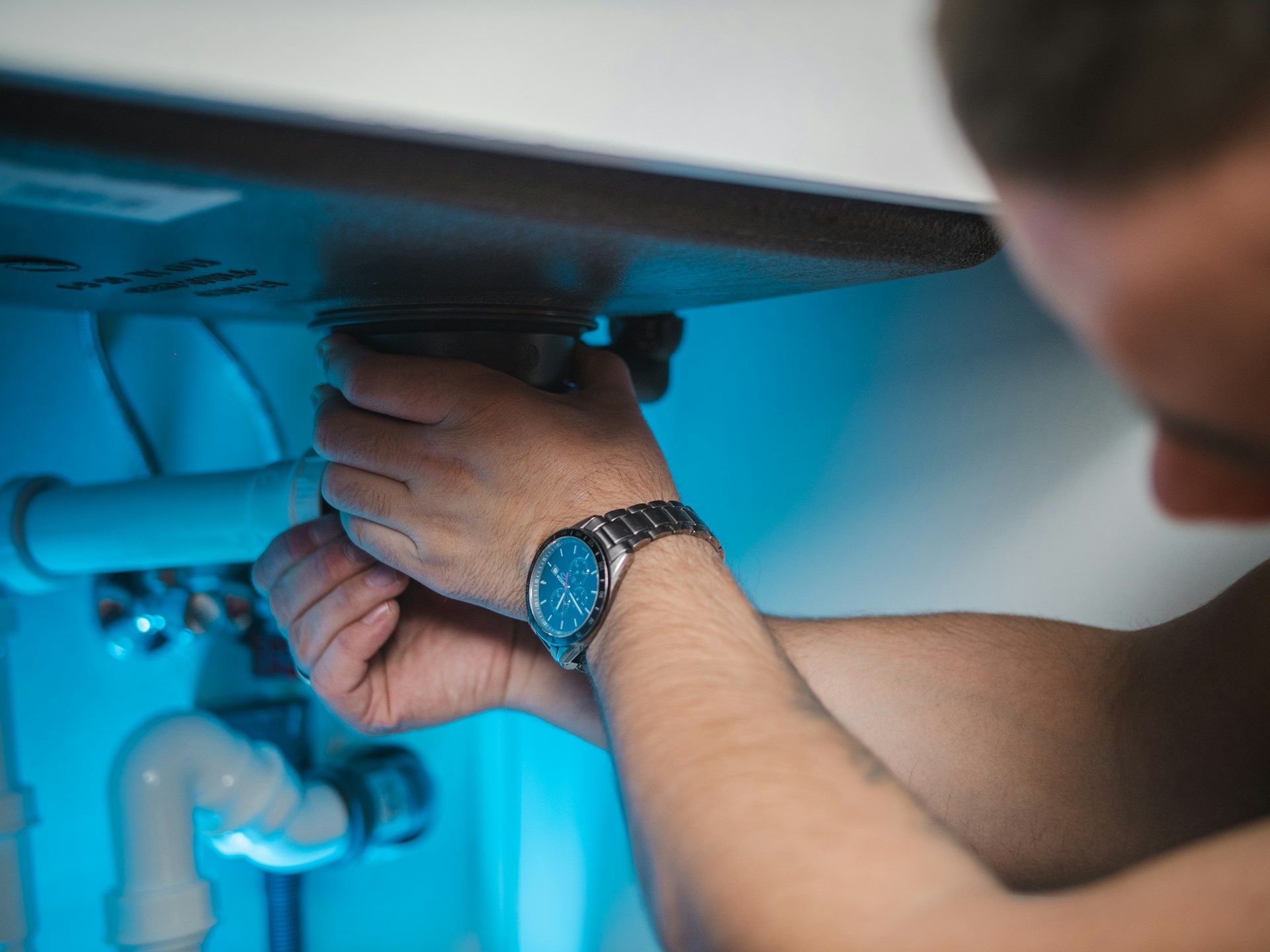
- Under kitchen and bathroom sinks
- Around toilets and bathtubs
- Near the water heater and boiler
- Behind or beside appliances
Look and feel for:
- Damp spots or water stains
- White or green crust on pipes or fittings
- Rust, bubbling paint, or soft drywall
Turn on every faucet and shower. Watch for weak water flow, strange sputtering, or water that takes a long time to warm up. Listen for whistling, banging, or rattling in the pipes. Toilets should fill and stop on their own. If one keeps running, is slow to flush, or you need to hold the handle down, there may be a hidden problem.
Do not forget supply lines to:
- Washing machines
- Dishwashers
- Refrigerators with ice makers or water dispensers
These hoses and lines can wear out after heavy winter use. A weak spot can turn into a burst line that floods a room and sends you searching for an emergency plumber.
Simple checks like looking for drips or listening for odd sounds are fine for most homeowners. But it is safer to have a licensed plumber step in if you notice:
- Brown or discoloured water
- Loud banging in pipes, also called water hammer
- Signs of mould or a musty smell near plumbing
Those are often signs that something deeper is wrong and should not be ignored.
Drain and Sewer Care to Avoid Emergency Plumber Visits
Spring rain and soft ground can be hard on older drain and sewer lines. Extra water in the soil can shift pipes, let roots press in, or push small cracks a bit wider. That is when drains start to back up, often suddenly.
Good habits can go a long way:
- Have a professional drain cleaning done before clogs build up
- Use strainers in sinks, tubs, and showers to catch hair and food
- Only flush toilet paper, nothing else
- Keep grease, oil, and coffee grounds out of the kitchen sink
If you notice these warning signs, your sewer line may be in trouble:
- Drains gurgling when you flush or run water
- Clogs that keep coming back, even after clearing them
- Sewage smells around drains or outside
- Wet, soggy spots in the yard that do not dry out
When these show up, it is smart to have a professional look deeper. camera inspections and other tests are especially helpful in:
- Older homes with original sewer lines
- Properties with large or many trees
- Homes that have had repeat drain problems
Catching issues in spring helps reduce the chance of messy backups later that need an emergency plumber to step in quickly.
Spring Maintenance for Water Heaters and Home Heating
Water heaters and home heating systems work hard during cold, wet months. Spring is a calm time to check them, fix small issues, and get them ready for the seasons ahead.
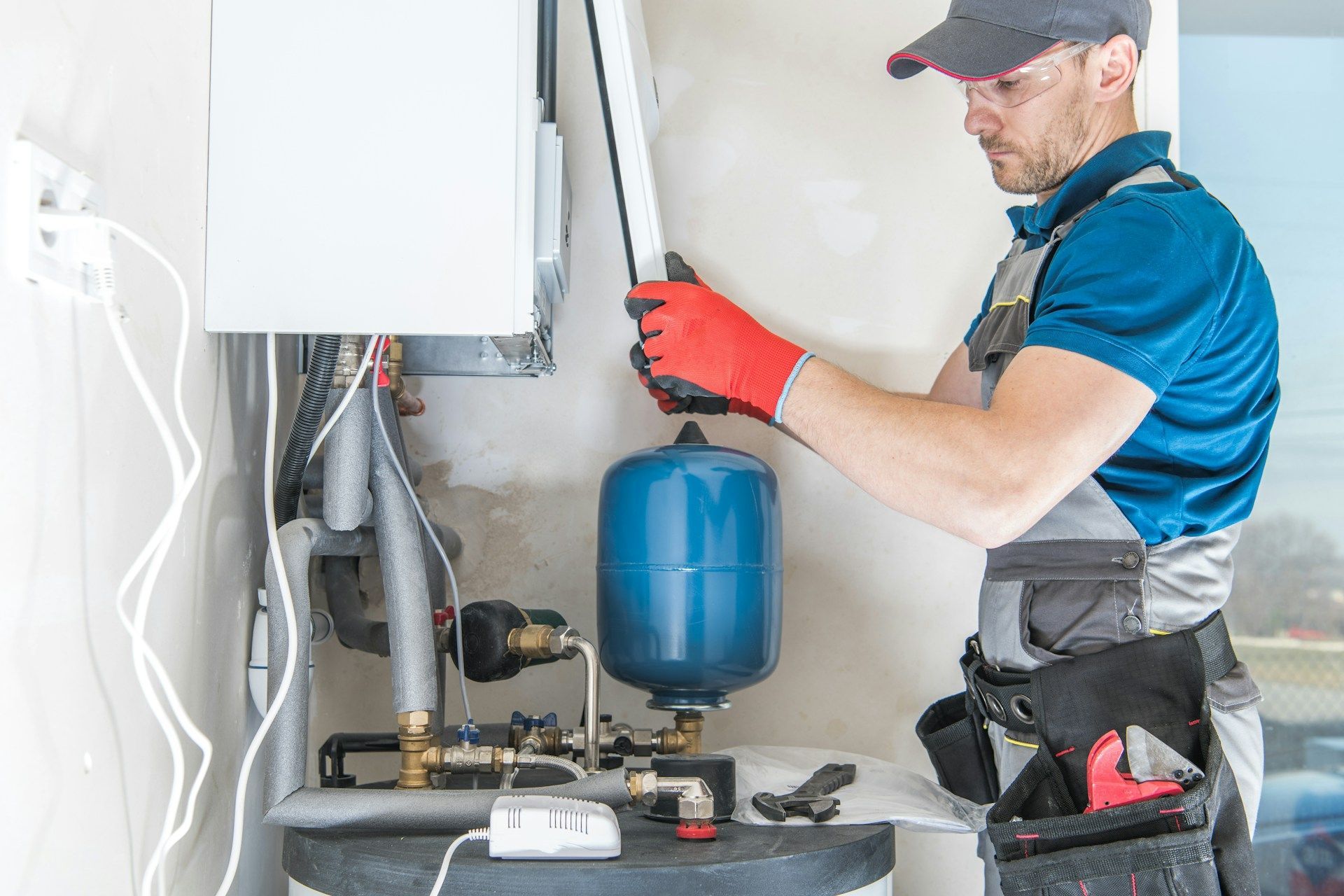
For water heaters, a professional can:
- Check for rust, leaks, or damp spots around the tank
- Test the temperature and pressure relief valve
- Flush the tank to remove built-up sediment
- Check the thermostat setting for comfort and efficiency
These steps help your water heater run more smoothly, give more consistent hot water, and reduce the risk of sudden failure that leaves you with cold showers.
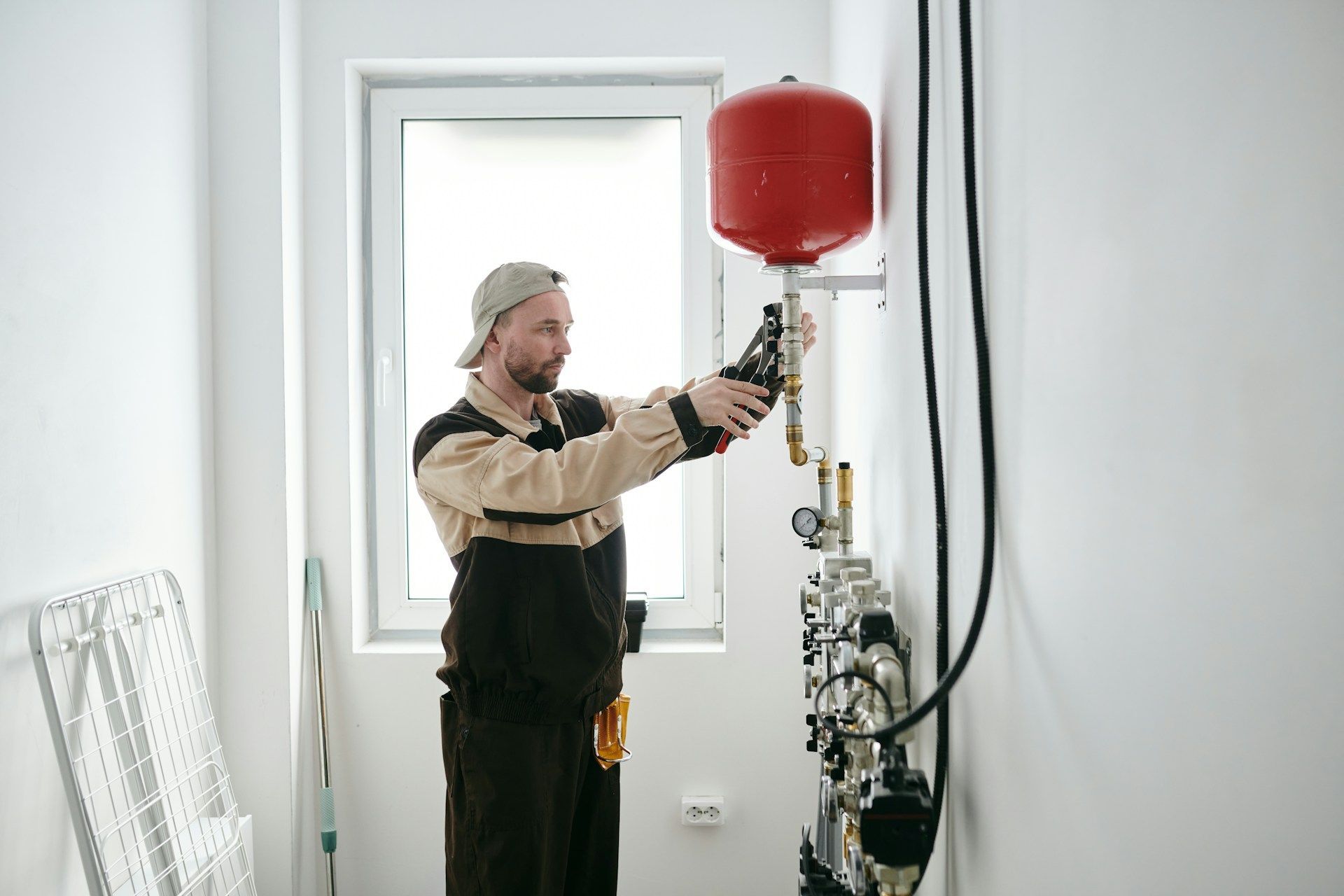
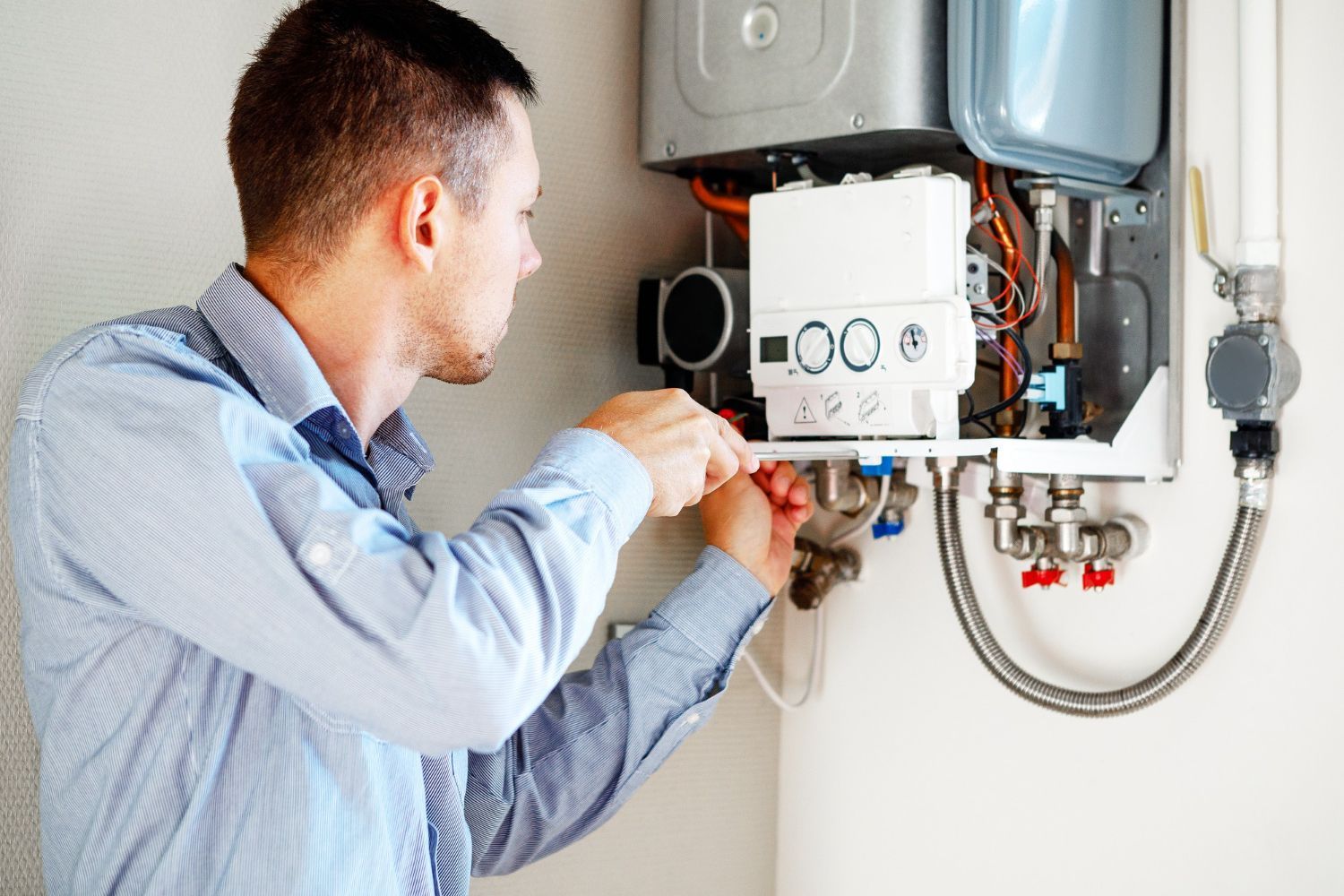
Home heating systems need some spring attention, too. Depending on the system, this can include:
- Bleeding radiators so they heat evenly
- Checking boiler pressure and controls
- Replacing or cleaning filters where needed
- Listening for odd noises and checking for unusual smells
Dealing with these jobs in spring means your system is ready when temperatures drop again. It lowers the chance of no-heat calls and helps you avoid emergency visits when everyone else is turning their heating back on.
Outdoor Plumbing Checks for a Trouble-Free Summer
Outdoor plumbing often takes the hardest hit over winter. Freezing temperatures, ice, and snow can crack pipes and fittings that only show problems once things thaw.
Walk around the outside of your home and check:
- Hose bibs and outdoor taps for drips or cracks
- Exposed pipes for damage or corrosion
- The wall area around taps for dampness or staining
If an outdoor tap leaks when you turn it on, or water appears inside the home near that tap, that is a sign to have it checked before you use it all summer.
For sprinkler and irrigation systems, it helps to:
- Turn the system on slowly and let it pressurize
- Watch for leaks, puddles, or fine spray from broken lines
- Check that each sprinkler head pops up and waters the right area
Sump pumps and outside drainage also matter in wet weather. Make sure:
- Sump pumps turn on and pump water out properly
- Window wells and foundation drains are clear of leaves and debris
- Downspouts push water away from your home, not toward it
Fixing these outdoor issues in spring can prevent basement leaks, yard flooding, loss of water pressure, and emergency plumber calls during a barbecue or heat wave when you need water most.
Partner with a Local Pro for Stress-Free Spring Plumbing
A focused spring check of your plumbing and heating systems can make the rest of the year much easier. By paying attention to small warning signs, you help stop minor concerns from growing into major problems that need urgent help.
Many homeowners find it helpful to keep a simple spring checklist that covers:
- Indoor leaks and drips
- Drain and sewer warning signs
- Water heater and heating system checks
- Outdoor taps, sprinklers, and drainage
For deeper systems like water heaters, boilers, main drain lines, and sewer connections, it is safer and more effective to bring in a trained professional. A local team that understands Langley homes, soil, and weather patterns can spot issues early and offer practical ways to keep everything running smoothly.
At Willowbrook Plumbing and Heating, we have spent many years helping homeowners and businesses reduce the need for emergency plumber visits through steady, sensible maintenance. By taking spring tune-ups seriously and dealing with small problems before they grow, you can head into the warmer months feeling confident that your plumbing and heating are ready for whatever comes next.
Restore Comfort With Fast, Reliable Plumbing Help
When a pipe bursts or your hot water stops working, you should not have to wait for answers. As your local experts at Willowbrook Plumbing and Heating, we respond quickly, assess the problem clearly and get your home back to normal. If you need an
emergency plumber, we are ready to help 24/7 with professional, courteous service. Reach out anytime through our
contact page to get immediate support.