Blog
Early-Fall Plumbing Maintenance to Avoid Emergencies
Early fall in Langley and across the Fraser Valley means cooler nights, more rain, and more time inside. That also means your plumbing and heating systems get used a lot more. Showers run longer, dishwashers and laundry machines work harder, and heating systems start to kick on.
A few simple checks now can help prevent winter problems like burst pipes, failed water heaters, flooded basements, and late-night calls to an emergency plumber. When you stay ahead of issues, you protect your home or business from water damage, save time, and lower the chance of stressful surprises once temperatures drop.
Avoid Stressful Emergencies with Simple Fall Prep
As temperatures start to dip, plumbing systems in our area face two main pressures: heavier everyday use and cooler ground and air temperatures. Small weaknesses that were not a problem in summer can quickly turn into leaks, blockages, or broken parts.
Some of the most common cold-season plumbing emergencies start as small warning signs in early fall, such as:
- Slow drains that keep getting worse
- Hot water that runs out too fast
- Dripping outdoor taps or uninsulated exterior pipes
- Sump pumps that have not been tested in months
By giving your plumbing a simple fall checkup, you can often catch problems before they turn into emergencies. For homeowners and small business owners, that means less downtime, less mess, and less stress.
As a local Langley plumbing and heating team, we work with the weather and home layouts common across the Fraser Valley. We see the same patterns every year, which is why we like early fall as the time to get ready, not to wait for the first real cold snap.
Tackle Slow Drains Before They Become Disasters
Slow drains are easy to ignore, but they rarely fix themselves. In early fall, with more indoor time, wetter weather, and holidays coming, your drains will have more to handle. A small restriction now can turn into a full blockage at the worst possible moment.
Start with a simple walk-through of your home or business. Run water in:
- Kitchen sinks
- Bathroom sinks, tubs, and showers
- Laundry sinks and floor drains
- Basement or utility room drains
Watch and listen for signs of trouble:
- Water that pools or drains slowly
- Gurgling noises from pipes or nearby fixtures
- Bad odours coming from drains
- Water backing up in another fixture when one is draining
If basic steps like cleaning hair from strainers or removing visible debris do not help right away, it is usually better to have a professional clean the line. Mechanical cleaning or hydro-jetting clears the full pipe, which reduces the chance of a sudden backup, water damage, and an urgent call to an emergency plumber during a busy season.
Chemical drain cleaners might look like an easy shortcut, but they can be tough on your plumbing and the environment. They may damage older pipes, and they often only open a small hole through the blockage instead of clearing it properly, so the problem tends to return.
Get Your Water Heater Ready for Cooler Weather
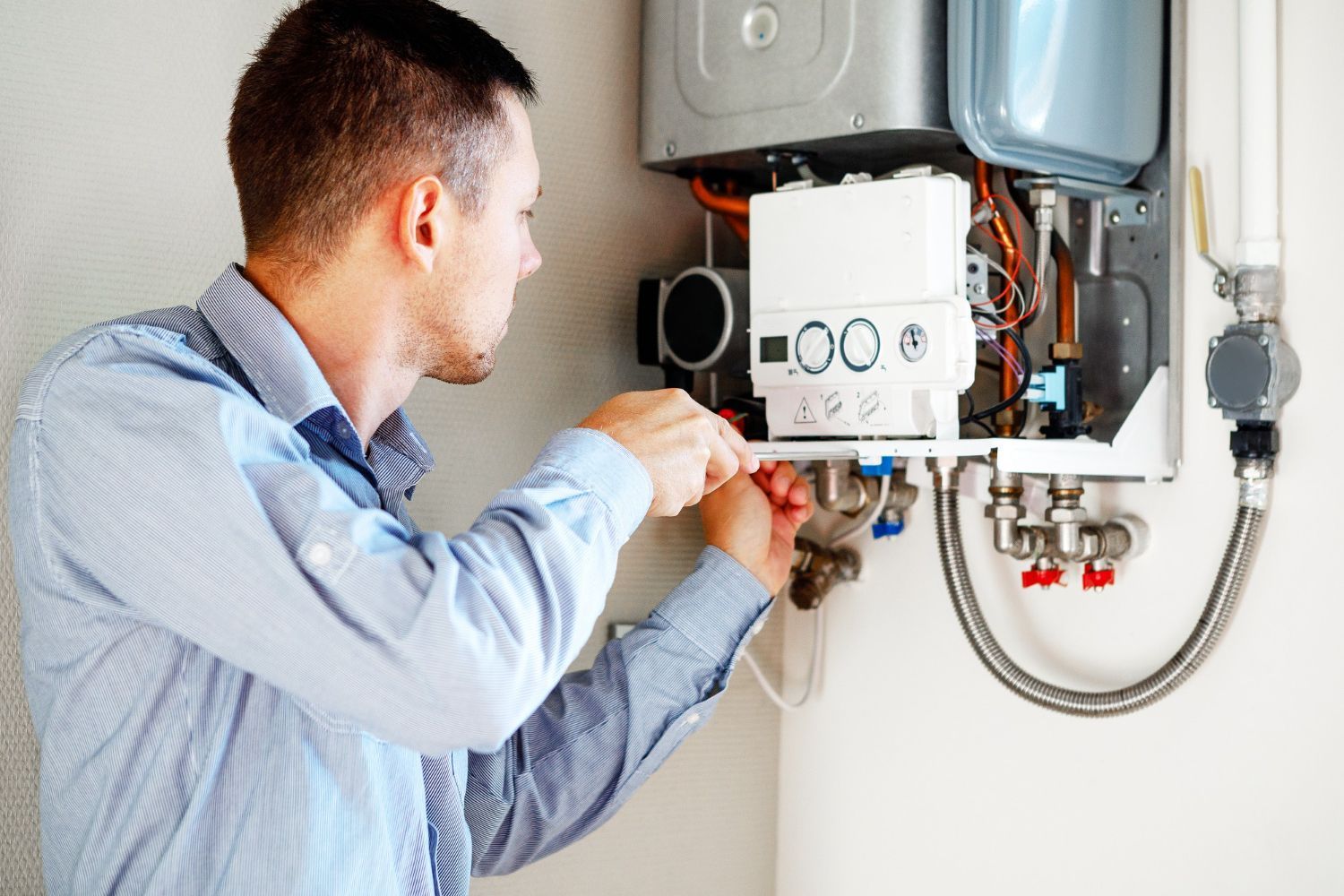
Once the weather cools, your water heater has to work harder. Incoming water is colder, and you likely use more hot water for showers, laundry, and dishes. If your system is already struggling, this is when trouble starts to show.
Take a few minutes to look and listen:
- Check around the base of the tank for moisture, rust, or small puddles
- Listen for rumbling, popping, or banging sounds while it is heating
- Notice if hot water runs out faster than it used to
- Pay attention to any big swings in water temperature
These are common signs of sediment buildup, worn parts, or a thermostat issue. Key maintenance tasks often include flushing sediment from the tank, testing the pressure relief valve, and checking the thermostat setting for safe and efficient operation. These are jobs that are usually best handled by a professional, especially if you are not familiar with gas, power, or hot water safety steps.
Regular care can help your water heater last longer, use less energy, and stay more reliable. Taking action in early fall reduces the chance of waking up to a cold shower, a leaking tank, or a surprise call to an emergency plumber on a chilly morning.
Protect Pipes and Outdoor Fixtures Before Frost Hits
Even though our winters in the Fraser Valley are often milder than other parts of Canada, we still see overnight cold snaps. A single freezing night is enough to damage exposed pipes, hose bibs, and outdoor lines.
Use a simple outdoor checklist:
- Disconnect garden hoses and drain them before storing
- Shut off water to exterior taps if there is an indoor shutoff valve
- Open exterior taps to let remaining water drain out
- Add insulated covers to exposed hose bibs and outdoor faucets
Indoors, pay attention to areas that tend to stay cold, like garages, crawlspaces, and unfinished basements. It helps to:
- Seal obvious gaps and drafts around pipes where cold air can enter
- Insulate accessible pipes that run along exterior walls
- Keep garage or basement doors closed as much as possible
Older homes, rental properties, or commercial spaces often have hidden pipe runs in tricky spots. A professional inspection can help find weak points, suggest simple upgrades, and reduce the risk of frozen or burst pipes when temperatures drop.
Test Sump Pumps and Safeguard Basements
In Langley and across the Fraser Valley, fall often brings periods of heavy rain and wet ground. If your home or business has a basement or crawlspace, a working sump pump and drainage setup can make the difference between staying dry and dealing with a soaked floor.
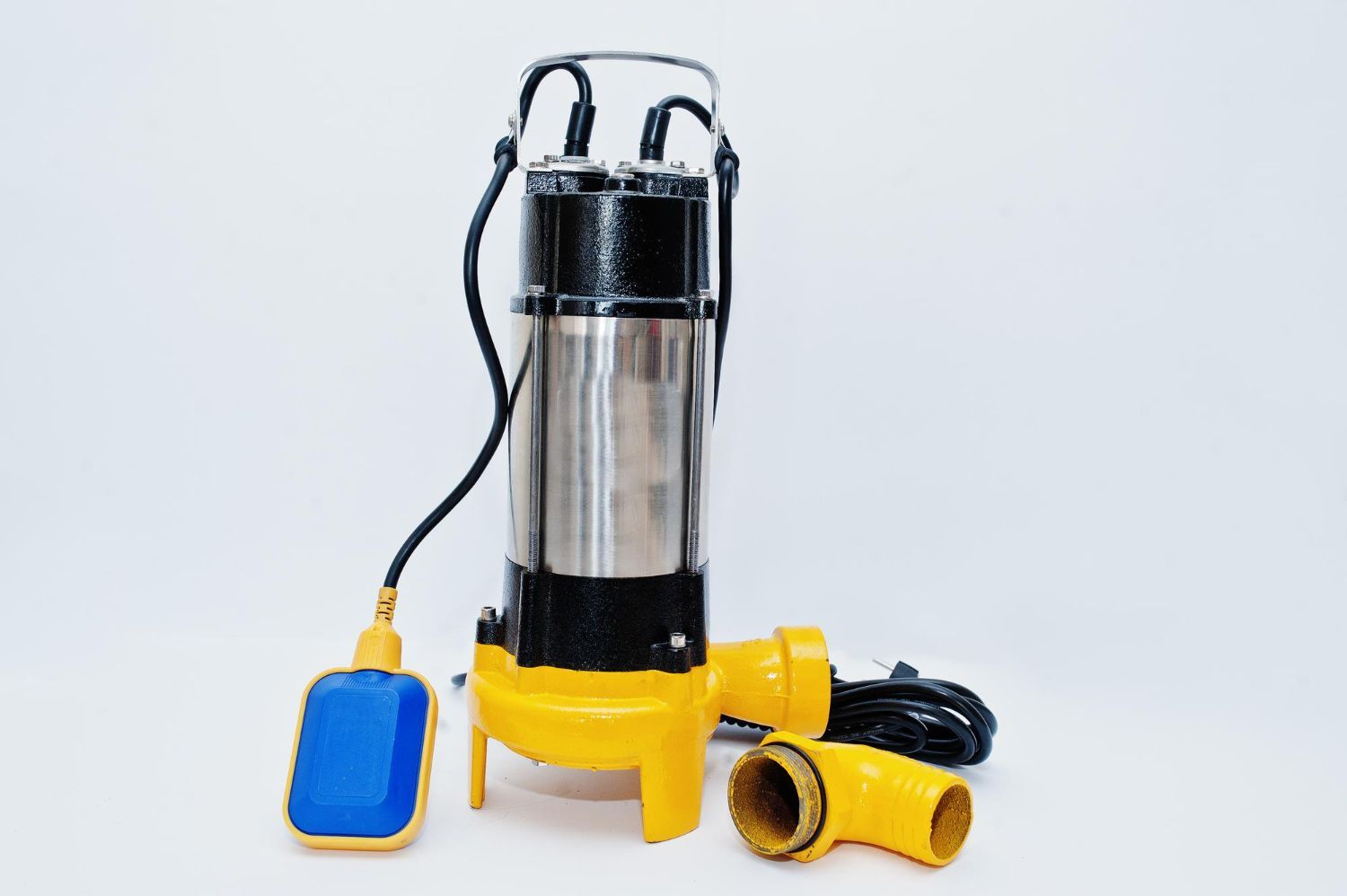
Early fall is a smart time to test your sump pump. A quick check includes:
- Making sure the pump is plugged in and the cord looks safe
- Lifting the float by hand, if possible, to see if the pump starts
- Pouring a bucket of water into the sump pit to confirm the pump kicks in, removes water quickly, and shuts off when the level drops
Step outside and look at the discharge line. It should be:
- Clear of leaves, dirt, and debris
- Not blocked by landscaping or stored items
- Pointed away from the foundation so water does not run back toward the house
For homes with a history of dampness or flooding, it can be worth adding extra protection, like a battery backup sump pump or an alarm that lets you know if the water level gets too high. Regular checks and maintenance are far less stressful than trying to find an emergency plumber when rain is pouring and water is already on the floor.
Schedule Your Fall Plumbing Checkup Today
Early fall is the time to get ahead of plumbing problems, not wait for the first deep freeze or heavy storm. The key priorities are simple: clear slow drains, get your water heater checked, protect indoor and outdoor pipes from frost, and test your sump pump so your basement is ready for wet weather.
If you notice warning signs like leaks, bad odours, strange noises, or clogs that keep coming back, that is your cue to bring in professional help. A local Langley team like Willowbrook Plumbing and Heating understands Fraser Valley homes and businesses and the seasonal issues they face, which means practical advice and timely solutions before small issues turn into big emergencies.
Get Fast, Reliable Help From Local Experts Today
When a pipe bursts or your furnace fails, you need solutions you can trust right away. At Willowbrook Plumbing and Heating, our licensed technicians are ready to respond quickly, diagnose the issue, and get your home back to normal. Explore our full services and connect with an
emergency plumber who can help any time, day or night. If you prefer to speak with us directly, you can
contact us to schedule immediate service.