Blog
A hot water tank is easy to forget about until there is no hot water. Professional tank service keeps that from happening. It is a full checkup for your water heater so it can run safely, use less energy, and last as long as possible.
In this article, we walk through what actually happens during professional tank service for hot water. You will see why it matters for homes and businesses in Langley, what a technician looks for, and how regular service can prevent surprise breakdowns when you need hot water most.
What to Expect From Professional Tank Service
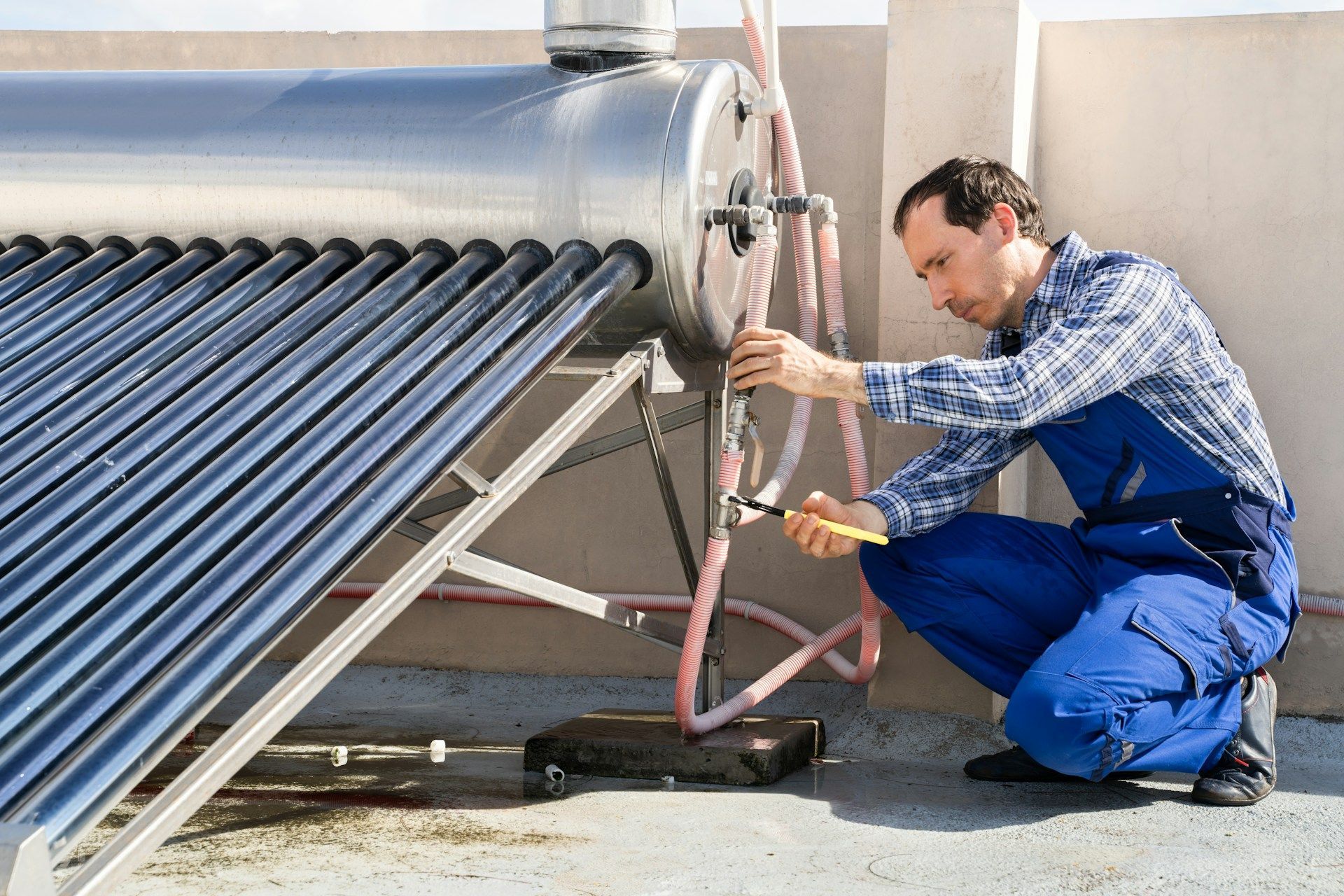
A hot water storage tank is the large cylinder, often in a utility room or closet, that heats and stores water for showers, laundry, dishes, and more. Inside, burners or electric elements heat the water, then it is held ready for use.
With time, parts wear, sediment builds up, and small issues can start to form. Regular professional tank service helps with:
- Reliable hot water when demand goes up
- Lower energy use compared to a neglected tank
- Longer life for the heater and connected plumbing
Before cooler fall weather, service is especially helpful. That is when hot water use often increases, and tanks work harder. During a visit, a trained technician does much more than a quick glance. They:
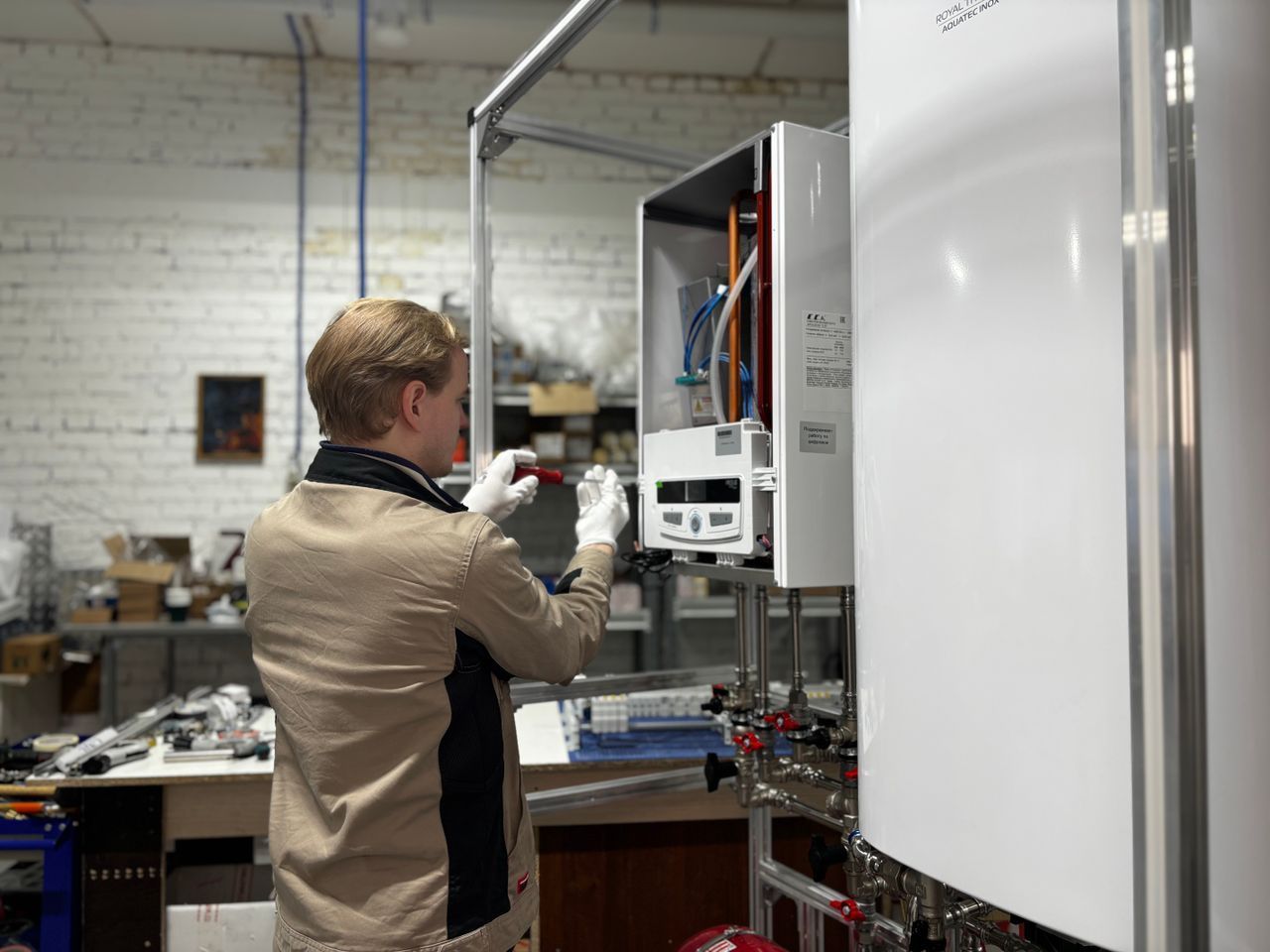
- Inspect the heater, pipes, and safety devices
- Clean and flush the tank
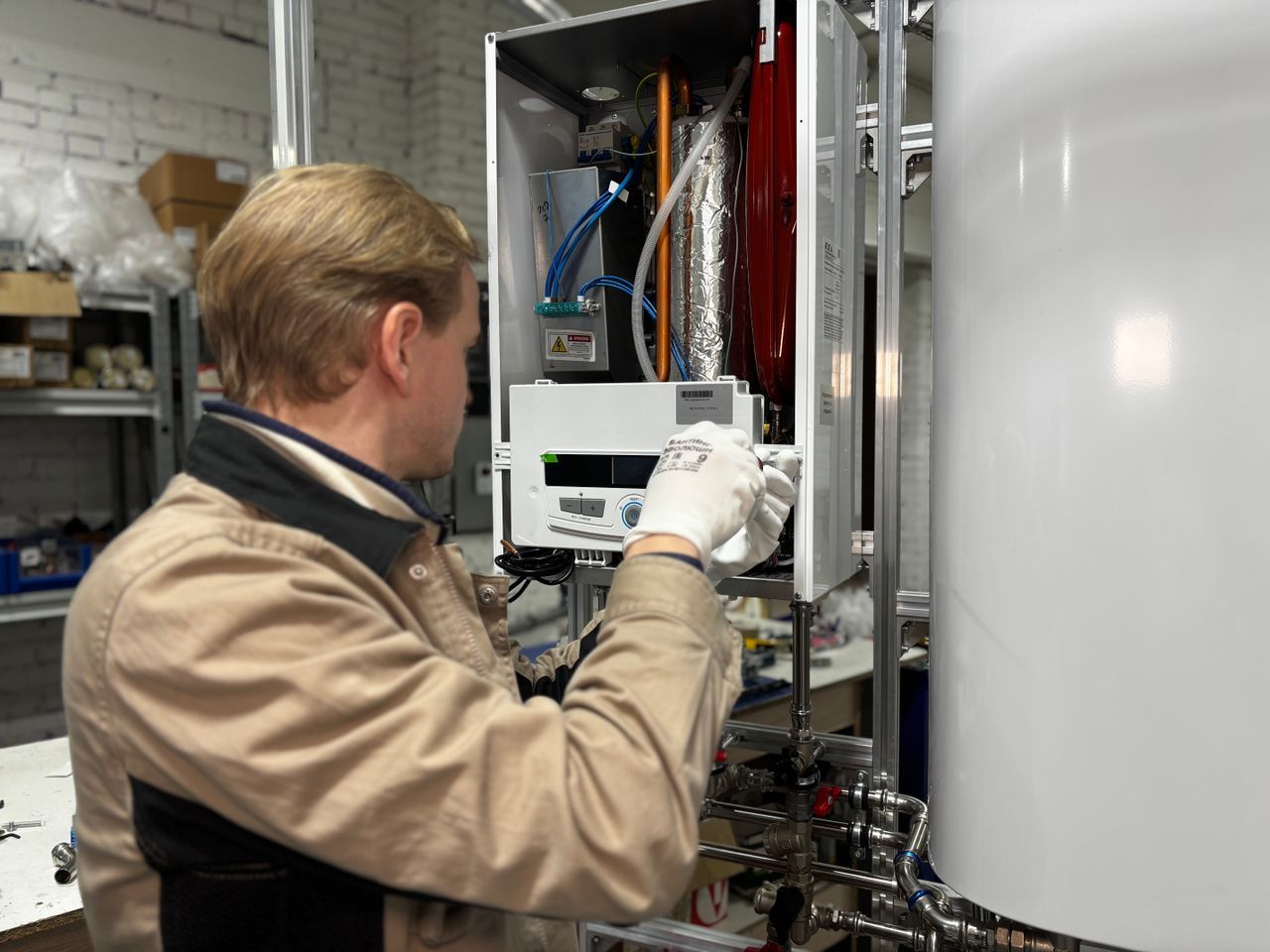
- Test controls and temperatures
- Tweak and tune parts for better performance
Safety Checks That Protect Your Home and Family
Safety is the first step. Your water heater deals with hot water, pressure, gas or electricity, and sometimes combustion gases. All of those need to be in good shape.
A professional will start with a careful visual check of the whole area. They look for:
- Rust, leaks, or corrosion on the tank and fittings
- Scorch marks or melted parts near burners or wiring
- Items stored too close to the heater
- Problems with airflow or venting
Next, they test the safety devices. A key part is the TPR valve, which is meant to open if pressure or temperature gets too high. The technician checks that:
- The TPR valve works and is not blocked
- Shut-off valves open and close as they should
- Gas connections are tight and not leaking
- Vent pipes or flues are clear and sloped the right way
For gas water heaters, they inspect burners and flame quality, and they look for any signs that exhaust gases could be spilling back into the room. For electric units, they check wiring, thermostats, and that covers are in place. These steps help lower the risk of carbon monoxide issues, shocks, or other hazards, which is especially important before long stretches of heavy fall and winter use.
Deep Cleaning and Sediment Removal for Better Performance
Fraser Valley water often has minerals that settle in the bottom of your tank. Over time this sediment layer can:
- Make your heater work harder to warm the water
- Cause rumbling or popping noises
- Trap heat and lead to hot spots inside the tank
As part of professional tank service, the technician will flush the tank. This process usually involves:
- Shutting off gas or power and allowing the water to cool somewhat
- Closing supply valves, then connecting a hose to the drain valve
- Draining water from the tank to carry out loose sediment
- Checking the drain valve for leaks or wear
- Refilling and purging air from the system
While the tank is drained, they can often get a sense of the interior condition. Once the sediment is flushed out, many systems see:
- Faster hot water recovery between showers
- Quieter operation with fewer rumbling sounds
- More stable, steady water temperature
- Lower strain on the tank shell, which can help prevent early failure
Inside the Tank: Anode Rods, Thermostats, and More
Your hot water tank fights rust from the inside out. One of the main defences is the anode rod, a long metal rod placed inside the tank. It is designed to slowly break down so the tank itself does not.
During professional service, the technician will:
- Check the condition of the anode rod
- Replace it if it is worn out or heavily corroded
- Confirm it is the right type and size for the tank
They will also look at the controls and thermostats. Correct temperature settings matter for both safety and comfort. Very high temperatures can increase the risk of scalding and can waste energy. For most homes:
- A moderate setting is enough for showers and everyday tasks
- • Higher settings may be used for some commercial needs, but must be managed with care
If the thermostat is not accurate, the technician can often recalibrate it or suggest repairs.
While working, they watch for signs that the tank is nearing the end of its useful life, such as:
- Ongoing leak issues
- Severe corrosion on the body of the tank
- Repeated part failures despite repairs
At that point, they can explain when repair still makes sense and when it may be smarter to plan for a new tank or even a switch to a tankless system.
Plumbing Connections and System Checks Around Your Tank
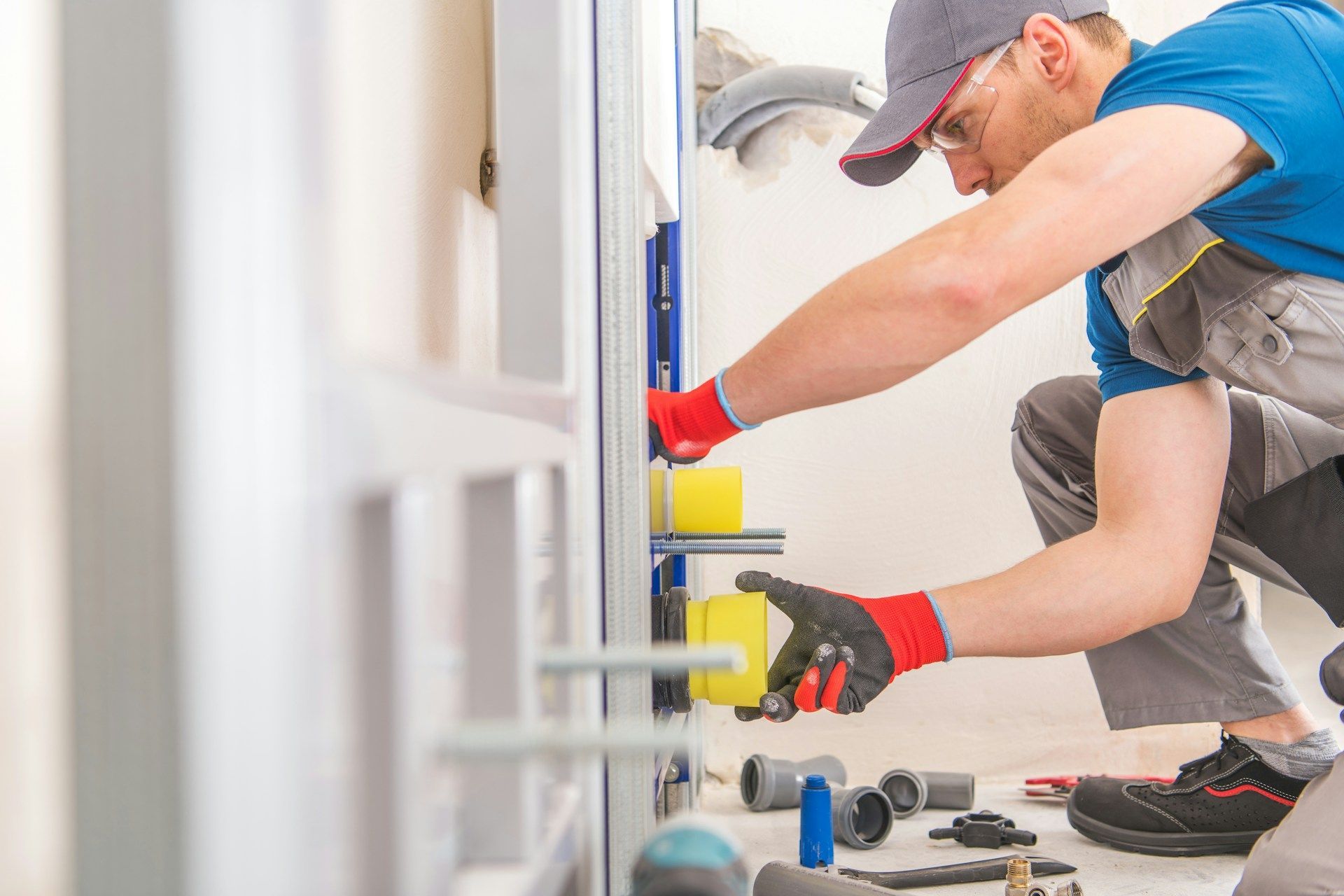
Professional tank service is not only about the tank itself. The surrounding plumbing also affects performance and safety.
A technician will inspect:
- Cold water inlet and hot water outlet lines
- Flexible connectors for kinks, corrosion, or damage
- Shut-off valves for smooth operation
They also pay attention to system pressure and expansion. If you have an expansion tank, it should be properly supported and charged. The discharge pipe from the TPR valve needs to:
- Be the correct size and material
- Point down to a safe drain point
- Not be capped or blocked
While checking these details, the technician may notice other plumbing concerns, such as very high water pressure or older piping that is beginning to fail. These issues can affect your hot water tank and the rest of your fixtures, so catching them during routine service is helpful.
How Often You Need Professional Tank Service in Langley
Service needs can vary, but local water quality and regular daily use mean hot water tanks in Langley benefit from consistent care.
In general:
- Most homes do well with professional service about once a year
- Busy households or light commercial systems may need more frequent checks
- Larger commercial tanks should follow a regular planned schedule based on usage
Late summer and early fall are good times to book service. Your tank is checked and tuned before the colder, wetter months, when people tend to take longer hot showers and heating systems run more often.
While there is a cost for regular service, many owners find that it helps reduce the chance of:
- Emergency no-hot-water calls
- Leaks and water damage from neglected tanks
- Replacing a tank sooner than expected
Thoughtful care from a trained technician keeps your hot water system safer, more reliable, and better prepared for the seasons ahead.
Protect Your Home With Reliable Tank Care Today
If you are noticing signs of wear, leaks or inefficiency, Willowbrook Plumbing and Heating is ready to help with a thorough
professional tank service tailored to your system. We will assess your equipment, explain your options in clear terms and recommend practical next steps that fit your budget. Reach out to our team with your questions or to book an appointment through our
contact page.