Blog
Everyday Plumbing Habits That Quietly Damage Your System
Small plumbing issues often start as part of normal daily life. Long hot showers, the odd “flushable” wipe, a slow drain you plan to deal with later, a toilet that runs once in a while. These things feel harmless, but behind the scenes they can strain pipes, fixtures, and even your water heater.
In Langley and nearby communities, we see this a lot in both older homes and newer builds. Seasonal changes, heavier winter use, and summer travel all add extra stress. When small problems are ignored or handled with quick DIY tricks, they can grow into leaks, floods, or no-heat emergencies at the worst time. Here is how everyday habits can signal you need a licensed plumber, and how getting help early protects your comfort, safety, and budget.
When “Small Leaks” Signal Bigger Trouble
Many people think of drips and trickles as a nuisance, not a problem. That drip from the bathroom tap or the toilet that keeps refilling in the night often gets pushed to the bottom of the to-do list.
Those small signs can point to bigger issues such as:
- Worn internal parts in taps or toilets
- Excess water pressure that is hard on fixtures
- Corrosion starting inside pipes or shut-off valves
Over time, the extra water can stain sinks and tubs, leave mineral buildup, and drive up your water bill. Fixtures can wear out early, and finishes around them can swell, peel, or crack.
Other warning signs hide a bit more:
- Discoloured or bubbled drywall on ceilings or walls
- Soft or spongy flooring near tubs, showers, or toilets
- Musty or earthy smells in cabinets under sinks
These can point to slow leaks in supply or drain lines. Even a small, steady leak can rot framing, feed mould growth, and affect the air you breathe.
A licensed plumber is trained to:
- Trace leaks behind walls and ceilings with the right tools
- Find the true cause, not just the visible damage
- Check for pressure issues, failing seals, or poor past work
Instead of patching over a stain or tightening a visible fitting, we look for what started the leak in the first place.
Drain “Shortcuts” That Lead to Costly Clogs
The drain often becomes a catch-all without us thinking about it. A bit of grease here, some food scraps there, a wipe or two down the toilet. Over time, those habits build tight blockages.
Common drain habits that cause trouble include:
- Rinsing fats, oils, and grease away with hot water
- Washing coffee grounds, rice, pasta, or fibrous foods down the sink
- Flushing wipes, feminine products, cotton pads, or “flushable” items
Grease cools and hardens inside pipes. Food can swell, tangle, and stick to rough spots or joints. Wipes do not break down like toilet paper. They snag and form tough clogs that a basic plunger often cannot clear fully.
Many people turn to chemical drain cleaners as a shortcut. These products seem handy, but they can:
- Corrode older metal pipes or damage some plastics
- Produce harsh fumes, especially in small bathrooms
- Clear a small path through a clog, without removing the full blockage
Repeated use can hide deeper problems like damaged or sagging pipes, tree roots getting into the line, or old drain lines that no longer drain properly, especially in older parts of Langley.
It is time to call a licensed plumber if:
- Drains are slow again soon after using chemicals
- You hear gurgling in sinks or tubs when other fixtures drain
- More than one fixture backs up at once
With tools like augers, hydro-jetting, and drain cameras, a licensed plumber can safely clear lines, check for breaks or roots, and suggest long-term fixes instead of repeat short-term patches.
Water Heater Habits That Can Cut Its Life Short
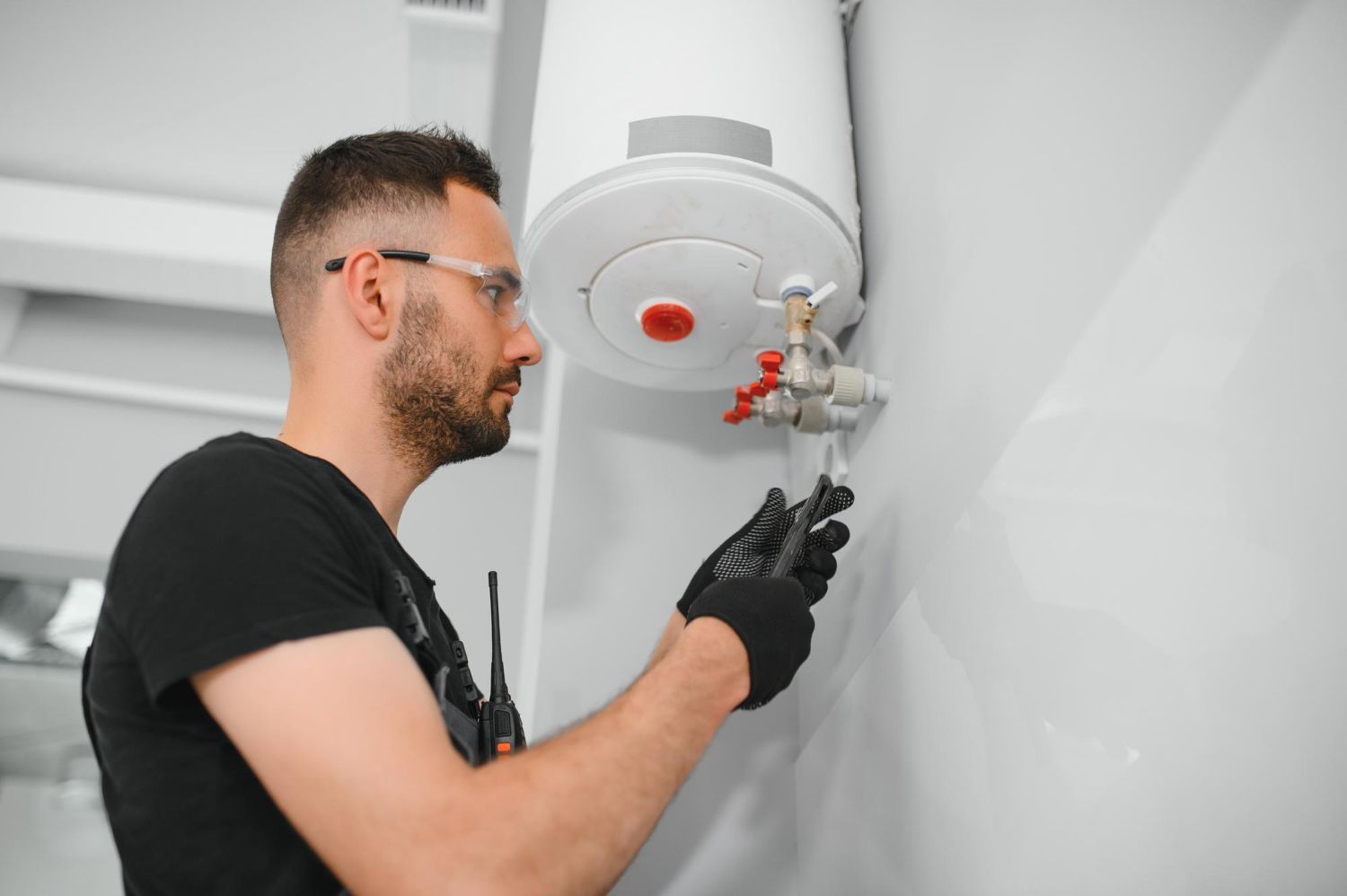
Water heaters work hard day in and day out, so small changes in how they run should never be ignored. Warning signs include:
- Popping, rumbling, or banging sounds from the tank
- Hot water that runs out faster than it used to
- Water that looks rusty or cloudy
- Sudden swings between too hot and too cool
These can point to sediment building up, failing thermostats, or a tank starting to corrode, especially after heavy winter use. Left alone, you could end up with leaks, damage to nearby floors and walls, or no hot water at all.
Some people try DIY fixes by turning the temperature way up to get more hot water. This can:
- Increase the risk of scalding
- Waste energy
- Put extra strain on the tank and parts
There is also a safety device called a temperature and pressure relief (T&P) valve. It is there to release pressure if the tank overheats. Tampering with it, capping it, or trying to repair it without training is dangerous and should only be handled by a licensed plumber.
For homes and businesses in our area, good habits include:
- A yearly professional check, ideally before the cooler season
- Flushing tanks to reduce sediment
- Checking the anode rod and safety controls
Both traditional tank heaters and tankless systems need expert servicing, proper venting, and the right setup to run safely and efficiently. Regular care can help extend the life of your system and keep your hot water steady.
Winter and Vacation Habits That Risk Floods and Freezes
Cold snaps and empty buildings are hard on plumbing. In Langley, pipes in certain spots can be hit especially hard.
Higher risk areas include:
- Garages, crawlspaces, and unheated basements
- Pipes in exterior walls or near drafty windows
- Vacant suites or areas rarely used
Turning the heat too low to save energy while away, or closing off rooms with pipes in them, can raise the chance of freezing and bursting lines.
A licensed plumber can help with smart seasonal habits such as:
- Checking shut-off valves and outdoor hose bibs
- Installing frost-proof hose bibs where needed
- Adding insulation to exposed piping
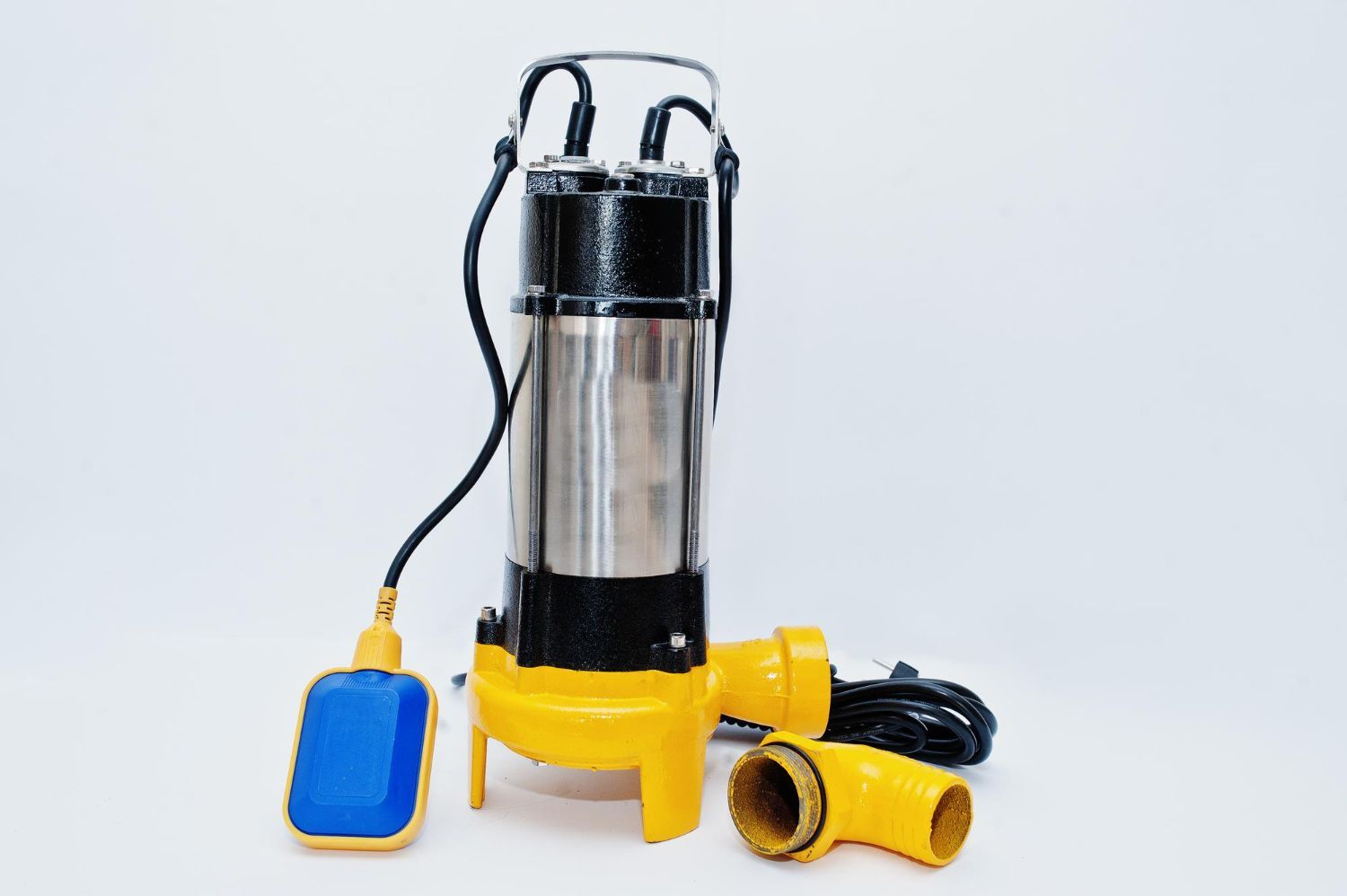
- Verifying that sump pumps and other protection devices work properly
Before longer trips, it is wise to know where your main shut-off is and make sure it works smoothly. Many people shut off the main water supply for longer holidays so a surprise leak cannot run for days. A professional can test those valves and suggest leak detection or smart monitoring options so you can travel with more peace of mind.
When “Handyman Fixes” Put Safety and Codes at Risk
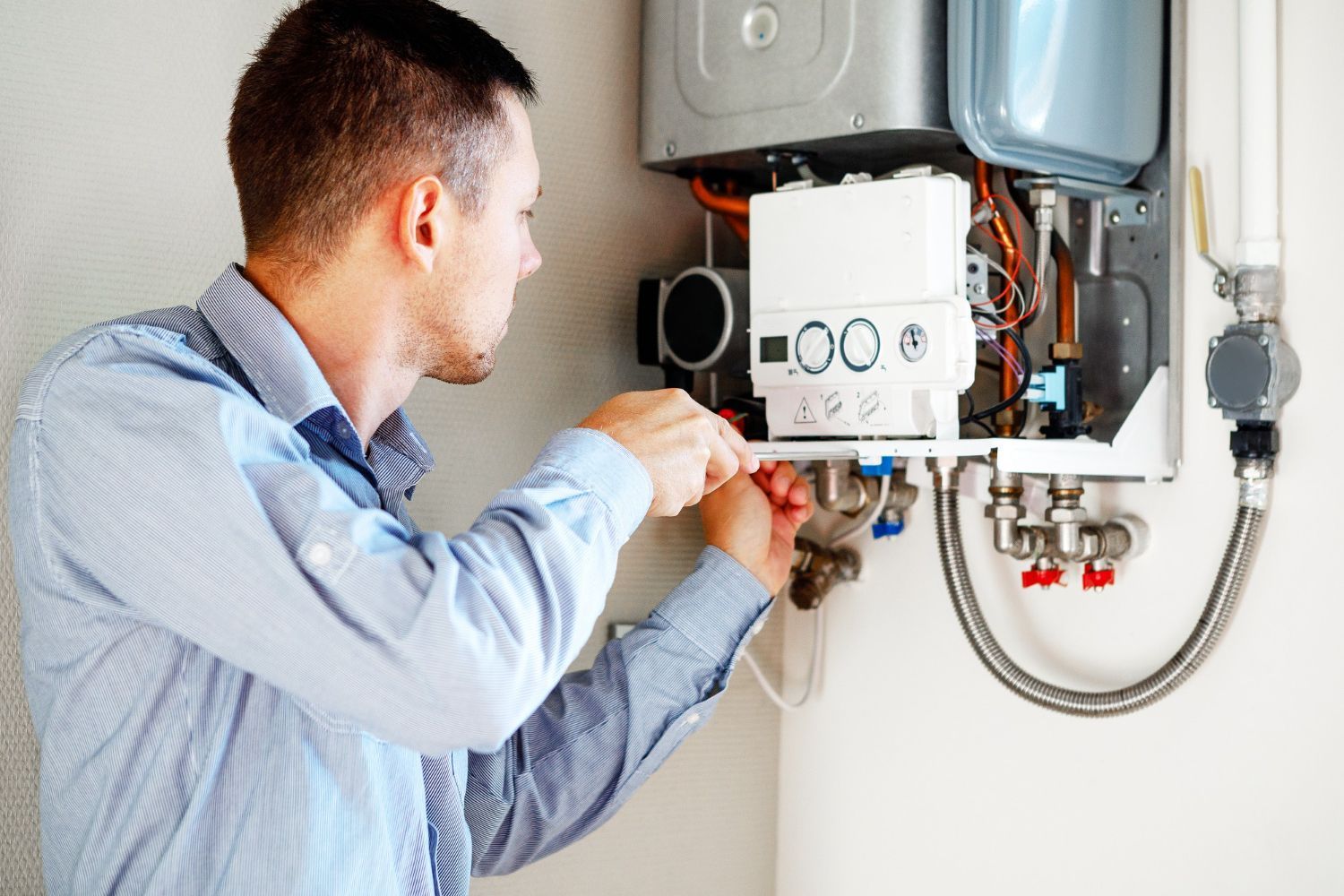
DIY has its place, but some plumbing and heating jobs should never be handled without a licence. Work on gas lines, boilers, and heating systems is one of those areas. Unlicensed work can lead to gas leaks, carbon monoxide risks, fire hazards, and problems with equipment warranties.
In BC, gas and heating work must follow strict safety and code rules. A licensed plumber or gasfitter is trained and certified to follow those rules and to keep your home or business as safe as possible.
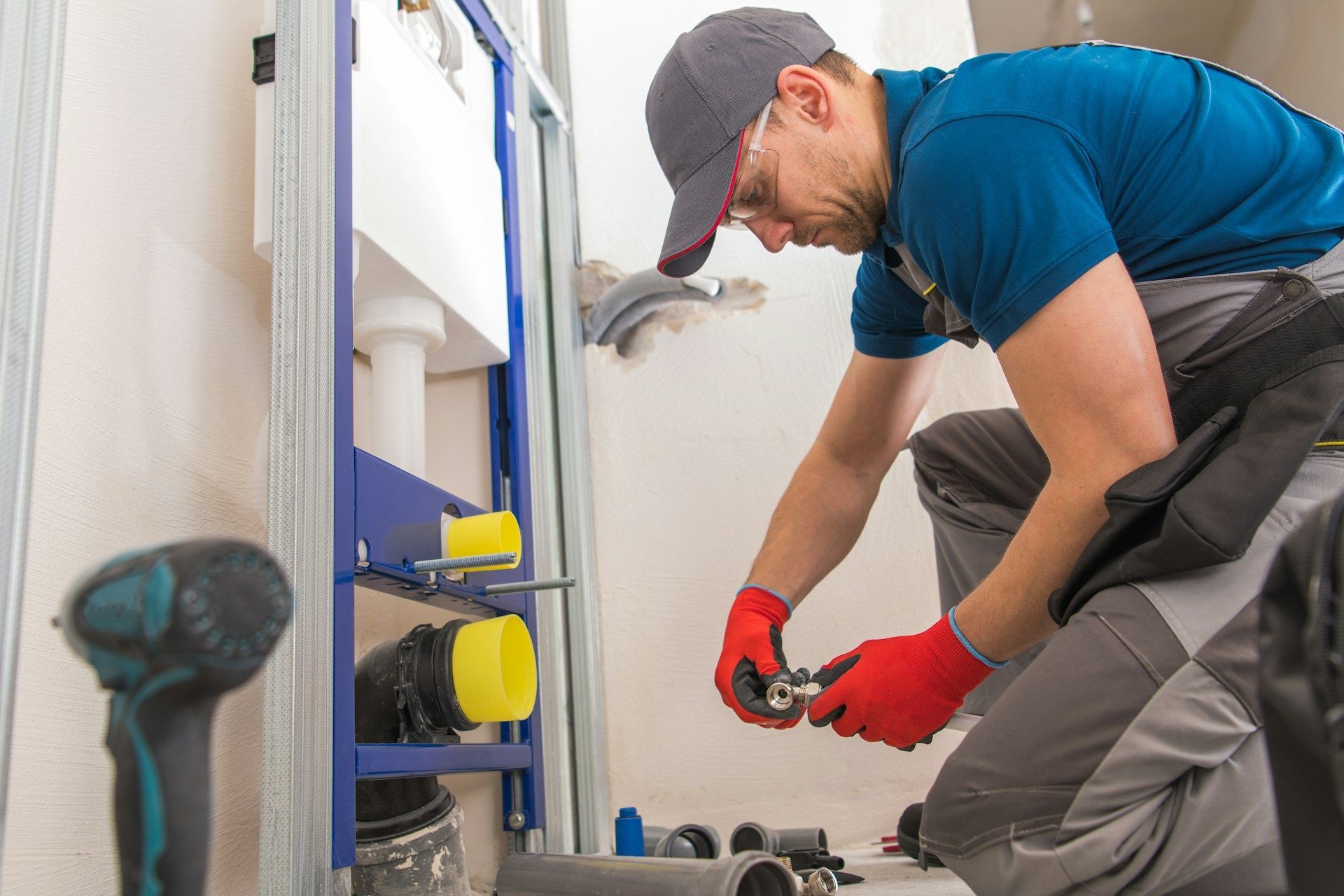
Unpermitted bathroom and kitchen renovations can also cause long-term headaches. Common shortcuts we see include:
- Moving fixtures without proper venting
- Reusing old flexible connectors that are not meant for permanent use
- Hiding uninspected piping in walls and floors
The result can be slow drains, sewer odours, more leaks, and trouble when it is time for an inspection or to sell or insure the property.
Choosing a licensed plumber helps make sure:
- Work meets BC Plumbing Code and local rules
- The right permits are in place when needed
- There is proper liability coverage for the work
At Willowbrook Plumbing and Heating, we combine modern tools and testing with respectful, old-fashioned service. From safe gas and heating repairs to code-compliant installations, we help Langley homeowners and business owners keep their plumbing and heating systems safe, reliable, and ready for everyday life.
Get Started With Your Project Today
If you are ready to fix a plumbing issue or plan an upgrade, our team at Willowbrook Plumbing and Heating is here to help. A trusted
licensed plumber on our crew can assess your system, explain your options and complete the work safely and to code. Tell us about your project using our
contact page form so we can provide a clear plan and schedule a convenient appointment.