Blog
Common Plumbing Repair Surprises That Turn Into Emergencies
Small plumbing problems rarely stay small for long. A slow drip, a lazy drain, or a toilet that never quite stops running can quietly turn into a flooded bathroom, mouldy walls, or a home with no hot water. By the time it feels like an emergency, the damage is often already done.
In Langley and across the Fraser Valley, many homes and businesses deal with the same repeat issues. When you know what to watch for, you can act early and keep a simple plumbing repair from turning into a stressful, messy clean‑up. In this article, we walk through common surprises, the warning signs that something bigger is going on, and when it is time to call a professional team like ours at Willowbrook Plumbing and Heating before things get out of hand.
The Drip That Destroys: Leaky Fixtures and Pipes
A small drip might not seem like a big deal. Maybe your tap only leaks when you shut it off a certain way, or your toilet runs for a few seconds after every flush. It is easy to ignore, but that drip is trying to tell you something.
Leaky fixtures can point to worn parts or higher pressure in your plumbing system. Over time, that can mean:
- Wasted water from constant dripping
- Higher utility bills that keep creeping up
- Extra strain on pipes, valves, and seals
The biggest risk is often the leaks you cannot see. Water under a sink, inside a wall, or in a ceiling can quickly turn a small plumbing repair into an emergency. This is especially true as homes get sealed up tighter in cooler months and trapped moisture has nowhere to go.
Watch for early warning signs like:
• Musty or damp smells, especially in bathrooms or basements
• Soft, bubbling, or stained drywall and ceilings
• Warm spots on floors that could hint at a hot water leak
• Water bills that jump for no clear reason
If you notice any of these, shutting off the water to the area and calling a licensed plumber right away can prevent major damage to your home or business.
Slow Drains and Gurgles That Signal Bigger Problems
A slow drain is easy to brush off. Many people reach for a plunger or a store‑bought drain cleaner and hope for the best. The problem is that recurring slow drains or strange sounds can be a sign of something deeper.
Common warning signs include:
- Sinks or tubs that drain slowly again and again
- Gurgling noises from drains or toilets after you run water
- Water backing up in one fixture when you use another
These can point to venting problems, partial sewer line blockages, or even tree roots working their way into buried pipes. In areas with lots of trees and older lines, like many parts of the Fraser Valley, this is quite common.
Late summer and early fall are a smart time to deal with drain and sewer issues. Heavy fall rains and colder ground can increase the risk of backups if your system is already struggling.
A few simple guidelines help keep trouble from getting worse:
- A basic plunger is usually fine for a one‑time minor clog
- Pulling visible hair or debris from a shower or sink is okay if you can reach it easily
- Chemical drain cleaners can damage pipes and should be avoided
- If clogs keep coming back, or more than one drain is slow, it is time for a professional inspection
Professional drain cleaning and camera inspections can find the real cause before a full backup hits your home or business.
Hidden Hot Water Hazards Before Fall and Winter
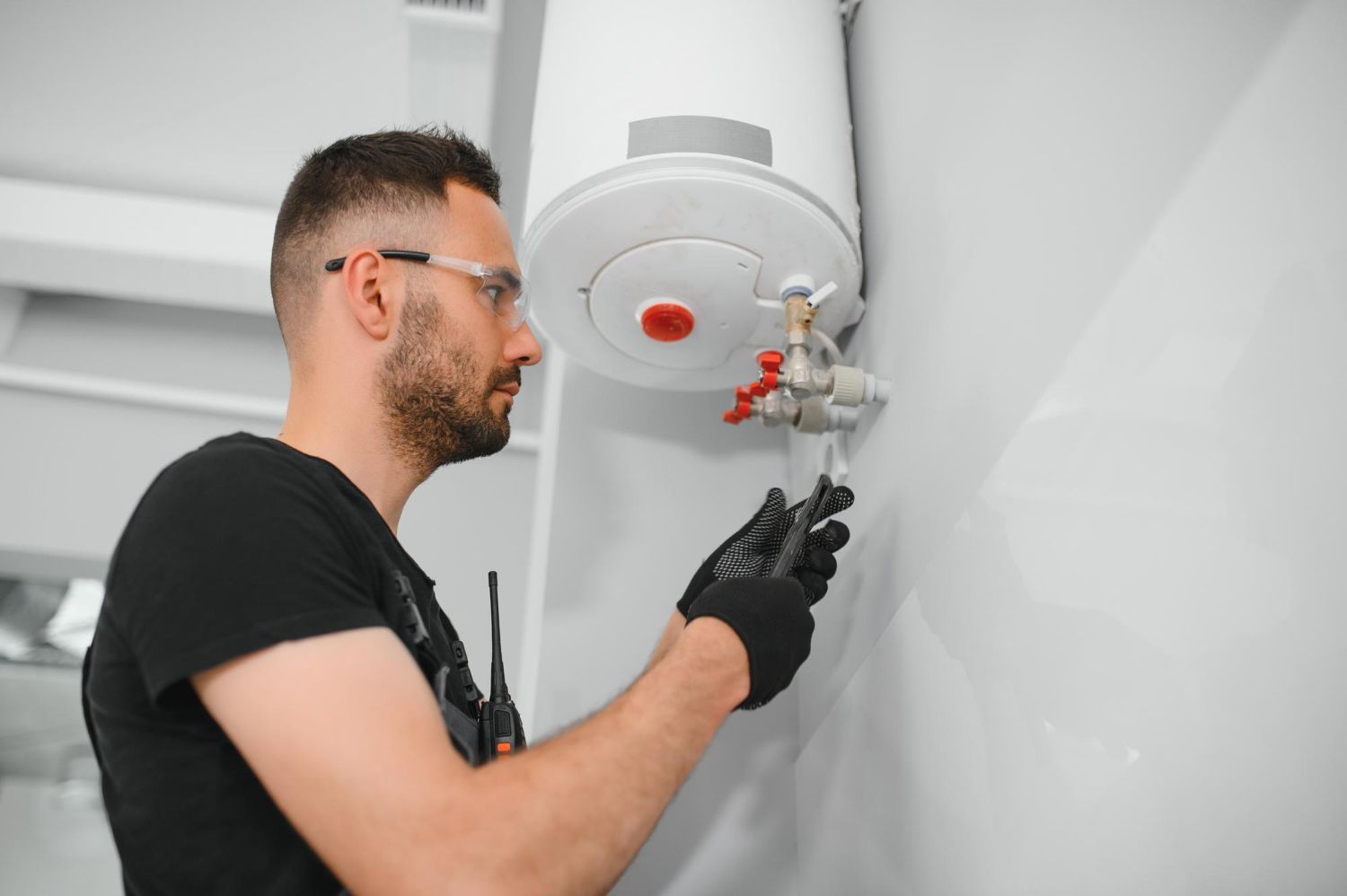
Your hot water tank often sits in a corner or closet, quietly doing its job. Because it is out of sight, it can be easy to miss the warning signs that it is struggling.
Common red flags include:
- Popping, rumbling, or banging sounds from the tank
- Rusty or discoloured hot water at your taps
- Water that swings from hot to cold without reason
- Small puddles, dampness, or rust marks around the base of the tank
As the weather cools, families and businesses rely more on hot water for showers, laundry, and sometimes heating. A neglected tank can fail right when you need it most, leaving you without hot water or, in the worst case, with a leaking or burst tank.
In many cases, a simple plumbing repair or maintenance visit can help, such as:
- Flushing the tank to clear out built‑up sediment
- Checking or replacing the anode rod
- Inspecting and changing worn valves or fittings
If the tank is older, badly rusted, or leaking from the body, replacement is usually the safer choice. That way you avoid sudden failure and the water damage that comes with it.
Frozen Pipe Risks as Temperatures Start to Drop
In Langley and across the Fraser Valley, late‑summer and early‑fall evenings can feel chilly, especially in low or exposed areas. Pipes that run through unheated spaces are at risk when temperatures drop, even if daytime weather still feels warm.
Problem areas often include:
- Garages, crawl spaces, and unfinished basements
- Pipes running along exterior walls
- Outdoor taps and lines feeding garden hoses or sprinklers
Poor insulation, small cracks around pipe openings, and hoses left connected can all increase the chance of frozen pipes. When water freezes inside a pipe, it expands and can split the pipe. You might not notice right away, but as soon as it thaws, you can be dealing with a serious leak or a full burst pipe.
Key preventative steps include:
- Insulating exposed or vulnerable plumbing lines
- Disconnecting and draining outdoor hoses
- Checking that shut‑off valves to exterior taps work properly
- Having a professional inspect problem‑prone areas in older homes and commercial buildings
A bit of prep before the cold hits can stop a simple oversight from turning into a large emergency repair and a lot of water damage.
When Small Plumbing Repairs Need a Pro Right Now
The main lesson from all of this is simple: those little quirks in your plumbing are often early warning signs. If you catch them early, the fix can be quick and far less stressful. If you wait, small issues can turn into emergencies that interrupt your routine and damage your property.
A basic decision guide many homeowners and business owners find helpful is to treat the problem as urgent and call a professional if you notice:
- Unexplained water, damp spots, or staining
- Persistent musty odours that hint at hidden moisture
- Strange noises from pipes, drains, or your hot water tank
- Sudden pressure changes at taps or showers
- Repeated clogs or slow drains that keep coming back
At Willowbrook Plumbing and Heating, we help customers across Langley and the surrounding communities with plumbing repair, hot water system checks, and pre‑winter inspections. When you act on the early signs, you protect your home or business from costly surprises and keep your plumbing system working the way it should.
Restore Comfort To Your Home With Expert Plumbing Repair
If you are noticing leaks, strange noises, or inconsistent heat, our team at Willowbrook Plumbing and Heating is ready to help with prompt, reliable
plumbing repair. We will assess the issue, explain your options clearly, and complete the work with care so you can get back to a warm, comfortable home. To schedule service or ask a quick question, simply
contact us and we will respond as soon as possible.