Blog
Stop Sudden Temperature Surprises in the Shower
Stepping into the shower and getting blasted with icy water or a rush of boiling hot water is more than just annoying. Sudden changes in water temperature can be painful and can create real safety risks in your bathroom. A quick jump away from the spray can mean slips, falls, and injuries.
This is especially risky for kids, older adults, and anyone with limited mobility who cannot move out of the way fast enough. Skin can burn quickly when water is too hot, and a shock of cold water can cause panic or dizziness. The good news is that steady, safe water temperature is possible with the right care for your water heater and plumbing system.
At Willowbrook Plumbing and Heating, we help Langley homeowners keep their hot water smooth and predictable, even as the weather cools and hot showers become more important. In this article, we will explain why scalds and cold shocks happen, what simple habits help, and when it is time to bring in expert water heater care so your system stays safe and dependable.
How Your Water Heater Controls Temperature
To keep showers comfortable, it helps to know a bit about how your water heater works. Most homes have either a tank water heater or a tankless model. Both are trying to do the same thing: heat cold water from the main supply and send it to your taps at the temperature you set.
A tank heater stores a large amount of water in an insulated tank. It uses:
- A thermostat to sense water temperature
- A gas burner or electric elements to heat the water
- A temperature and pressure relief valve for safety
- Sometimes a mixing valve to blend hot and cold water
A tankless heater does not store water. It heats water as it flows through the unit. This means it has to respond quickly to changing demand, which can be harder if several fixtures are used at once or if the unit is undersized.
Inconsistent temperatures usually start with small issues, such as:
- Aging or inaccurate thermostats
- Sediment build-up at the bottom of the tank
- Worn-out heating elements or burners
- A water heater that is too small for the home’s current hot water use
Scald risk often comes from a water heater set too high or a mixing valve that is stuck or failing. Cold shocks can be caused by sudden pressure changes when toilets are flushed or taps open elsewhere, weak gas supply to the burner, or failing internal parts that cannot keep up.
When you understand these basics, it is easier to notice early warning signs, like lukewarm showers, longer recovery times, or noisy tanks. Catching these clues and booking expert water heater care early can prevent safety hazards and full breakdowns later on.
Everyday Habits That Help Prevent Scalds and Shocks
There are a few simple habits that homeowners can safely handle themselves to keep hot water more consistent and reduce temperature surprises.
Start with small checks:
- Test tap temperature with a kitchen thermometer so you know how hot the water really is
- Keep the area around your water heater clear so air can move and you can spot leaks
- Look for rust streaks, damp spots, or corrosion on pipes and fittings
- Listen for popping, rumbling, or banging sounds from the tank
For most Canadian homes, a safe thermostat setting is usually in the range of 49 to 52 °C, or about 120 to 125 °F at the tap. This helps lower the risk of scalds while still keeping the water hot enough in the tank to fight bacteria like Legionella. If you are not sure how to check or adjust this, it is best to let a professional do it for you.
You can also help prevent cold shocks and sudden drops in temperature by how you use hot water. Try:
- Staggering showers instead of everyone showering back to back
- Running the dishwasher or laundry at different times than showers
- Avoiding flushing toilets when someone is bathing
Another helpful upgrade is adding pressure balancing or thermostatic shower valves. These valves help keep the temperature steady even when water pressure changes elsewhere in the home, so a toilet flush is less likely to cause a blast of hot or cold water.
Why Professional Maintenance Protects Your Family
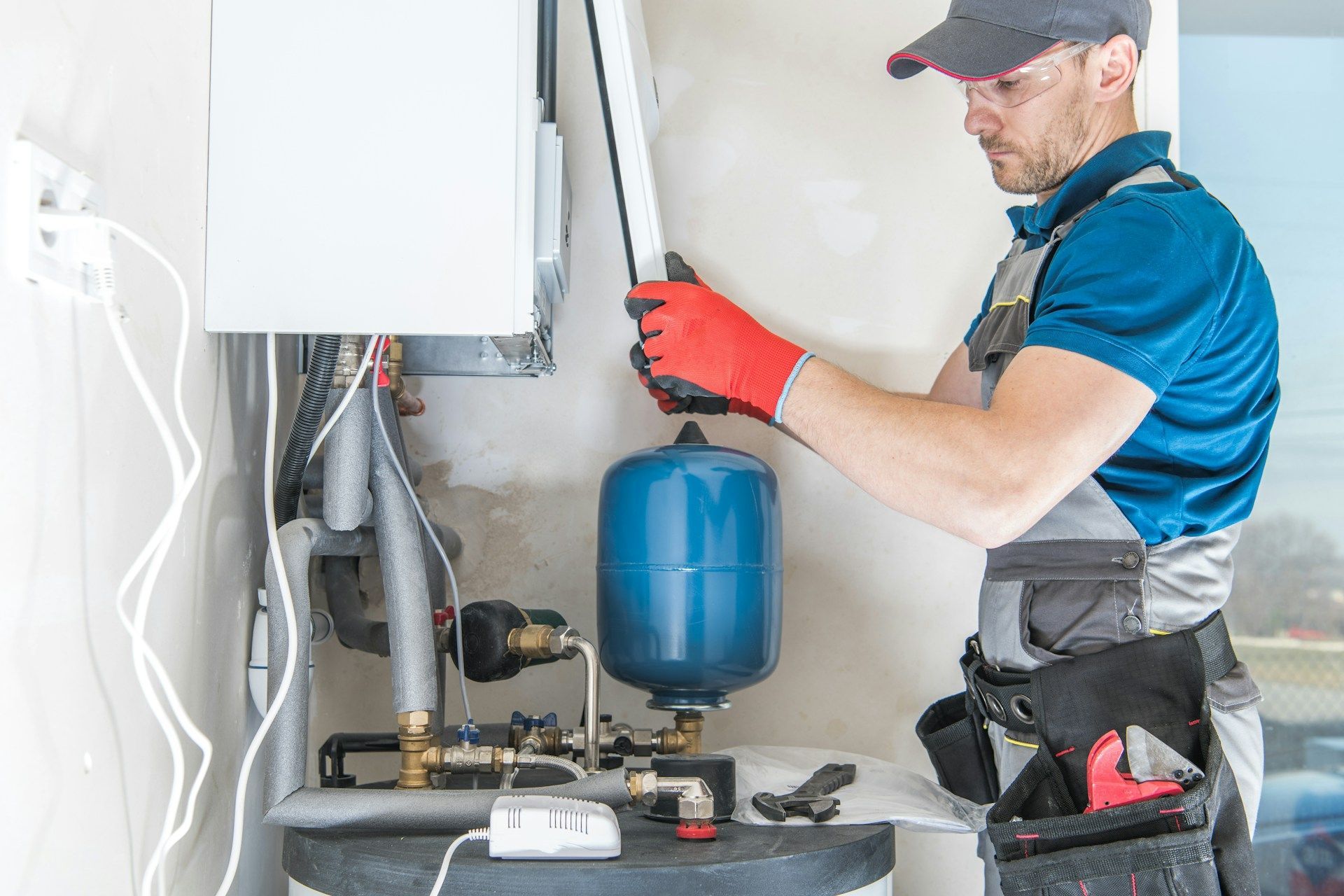
While good habits help, professional maintenance is what keeps a water heater working safely for the long haul. A licensed plumber who provides expert water heater care will do more than a quick visual check.
A proper maintenance visit should include:
- Checking and calibrating thermostats
- Inspecting and testing safety valves
- Checking and testing mixing valves where installed
- Flushing sediment from the bottom of the tank
Sediment from minerals in the water settles at the bottom of a tank over time. If it is not flushed out, it can act like a blanket over the burner or elements. This can cause overheating at the bottom of the tank, noisy operation, slower heating, and unpredictable temperatures throughout your home.
During maintenance, a professional can also spot hidden problems before they cause bigger trouble, such as:
- Corroded fittings that could start leaking
- Worn anode rods that no longer protect the tank from rust
- Venting issues in gas models that could lead to carbon monoxide risks
- Signs that the heater is undersized for your home’s current demands
As outdoor temperatures drop and people take longer and hotter showers, water heaters work harder. A pre-winter checkup helps your system handle heavier use and reduces the chances of emergency calls, unsafe temperatures, and mid-season breakdowns.
When It Is Time to Repair or Replace Your Heater
Even with good care, every water heater reaches a point where repair or replacement needs to be considered. Certain warning signs should never be ignored.
Call for professional repair if you notice:
- Hot water that suddenly runs much hotter or colder than usual
- Visible leaks around the tank or piping
- Rusty, cloudy, or discoloured hot water from your taps
- Loud rumbling, banging, or popping noises from the tank
Most standard tank water heaters last for several years, while many tankless units can last longer with regular expert water heater care. Once a heater is past its expected lifespan, frequent temperature swings or recurring repairs often mean it is time to think about a new unit.
In some cases, a simple fix makes sense. Replacing a faulty thermostat, a failed heating element, or a worn mixing valve can restore steady temperatures when the rest of the system is in good shape. In other cases, upgrading to a more efficient or better-sized water heater is the safer, more dependable choice for your family.
A local plumbing company that works in Langley every day understands local water quality, typical home layouts, and local codes. That experience helps ensure you end up with the right repair or replacement plan, so your hot water is stable, comfortable, and ready for everyday life.
Protect Your Hot Water With Expert Local Care
Trust Willowbrook Plumbing and Heating to keep your home’s hot water reliable, efficient and safe with our
expert water heater care. We will assess your current system, recommend practical options and complete the work with attention to detail. If you are ready to book service or have questions,
contact us and we will help you plan the next steps.