Blog
Stay Ahead of Cold Showers This Summer
Hot water is one of those things we all expect to be there when we turn the tap. Then, one day, it is not. The truth is, most water heaters give small warning signs before they fail, but they are easy to miss if you are not sure what to look for. That is where a visit from a water heater technician can make a big difference.
Late July in the Fraser Valley often means more showers, more laundry, more guests, and more hose hookups outside. Your water heater is working harder, even if it does not feel like a “heating” season. A quick check before problems show up can prevent a sudden cold shower, a flooded utility room, or a stressful emergency call on a busy weeknight. We will walk through what a water heater technician actually looks at, so you can spot early warning signs and plan service before you are out of hot water.
First Checks a Water Heater Technician Always Makes
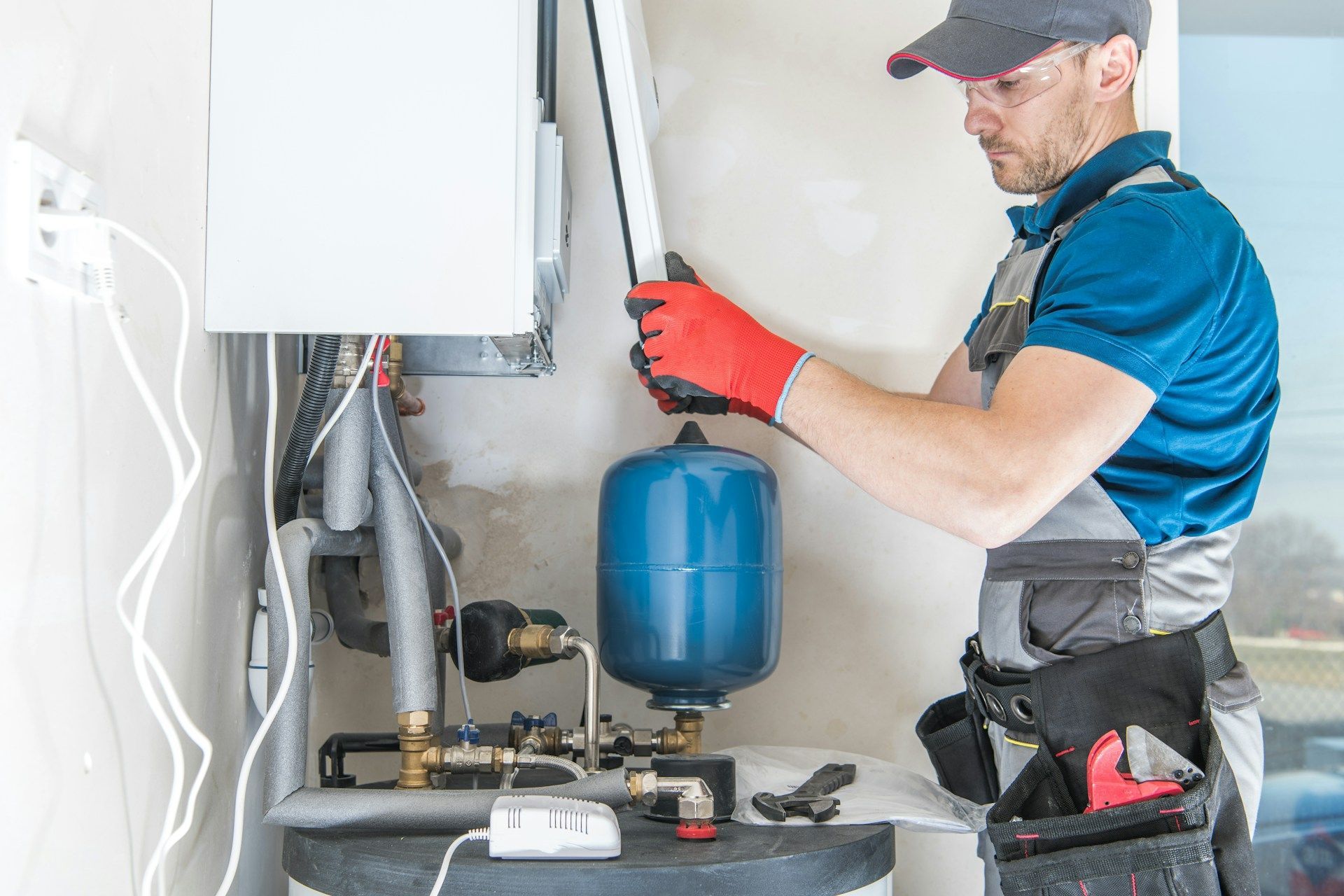
A good water heater visit starts with a simple, careful look around the unit. Before touching tools or controls, a technician will scan the area for problems you might miss in a quick glance.
They will usually check things like:
- Any signs of leaks around the base of the tank or nearby pipes
- Rust, corrosion, or water stains on fittings and connections
- Burn marks, scorch marks, or melted plastic on wiring or gas parts
- Clear space around the heater (not blocked by boxes, paint cans, or clutter)
Next comes the power and fuel supply. For gas heaters, the technician checks that the gas shut-off is accessible, the gas line is in good shape, and the control knob is set correctly. For electric heaters, they make sure the breaker is on, the wiring is secure, and nothing looks overheated. If the basic power and fuel are not right, the heater will never run safely or well.
They will also note the age, make, and model of your water heater. From there, they can tell a lot about expected lifespan and common issues. While looking it over, they may check:
- Venting pipes for gaps, sagging, or poor support
- The drain pan, if you have one, for cracks or standing water
- Signs that the original installation may not follow current standards
This early pass helps your technician decide where to focus next and whether anything needs quick attention before a bigger failure.
Inside the Tank Parts That Fail Before Hot Water Stops
Once the outside looks safe, a water heater technician turns to the parts that quietly wear out over time. One of the most important is the temperature and pressure relief valve, often called the T&P valve. This small device is a major safety feature. If pressure or temperature inside the tank gets too high, the valve is designed to open and release water. A technician will test that it moves freely and is not stuck, and they look for any steady dripping that shows trouble building inside the tank.
Another key part is the anode rod. This rod sits inside the tank and slowly sacrifices itself so the steel walls do not rust as quickly. When the rod is mostly eaten away, the tank starts to corrode. If your technician checks the rod and sees it is badly worn, they can recommend replacing it. That simple step can add years of life to many heaters in our area.
Sediment is also a big issue with local water conditions. Minerals in the water settle at the bottom of the tank and harden. A technician will often:
- Listen for rumbling or popping noises when the burner runs
- Look for slow heating or temperature swings
- Check how quickly hot water runs out
Heavy sediment can make your heater work longer to do the same job, which means higher hydro or gas use and more wear on parts. Summer is often a good time for a tank flush, because you are less likely to miss the heat during a short shutdown.
Controls, Thermostats, and Hidden Electrical Issues
Even if the tank itself is in decent shape, the controls that tell it when and how to heat water can fail. A technician will look at your thermostat setting and test how it responds. They aim for a temperature that is hot enough for comfort and hygiene, but not so hot that it risks scalding or wastes energy.
On an electric heater, they will test both upper and lower heating elements. A burnt-out element can leave you with lukewarm water, no matter how high you turn the knob. They also inspect wiring for:
- Loose connections that can cause flickering or intermittent heat
- Discoloured or brittle insulation that points to overheating
- Corroded terminals that can lead to shorts
On gas models, the focus is on the gas valve, pilot or igniter, and control board if there is one. Many newer heaters have small lights or error codes that point to a specific issue. A trained water heater technician can read these signals and find a weak part before it fails during a busy fall or winter evening.
Gas, Venting, and Combustion Safety Checks
Gas and combustion checks are all about safety and good air flow. The technician will look over the gas line and connections with care. They may use a sensing tool or solution to check for leaks that might not have a smell yet. Then they look at the burner flame itself. A steady blue flame usually shows good combustion, while a lazy yellow or orange flame can point to dirt, poor air, or other issues.
Venting is equally important. If exhaust cannot leave the home properly, it can build up where you do not want it. Your technician will check:
- That vent pipes are the right size and slope upward as they should
- Joints and seams for gaps, rust, or loose sections
- Outdoor terminations for nests, leaves, or damage
Draft and airflow in the room also matter. In Langley and nearby areas, many homes have both a furnace and a water heater pulling air from the same space. A technician will check that there is enough air for both and that exhaust is not sneaking back into the room. This helps prevent backdrafting, which can affect both comfort and safety.
When It’s Time to Repair vs. Replace Your Heater
No water heater lasts forever, so part of a good visit is an honest talk about repair versus replacement. Technicians look at the age of the unit, how it has been working, and how many times it has already needed fixing. A newer heater with a simple part issue is often a good candidate for repair. An older tank with rust, leaks, and repeated problems may be nearing the end of its practical life.
They also think about how well the heater is performing for your home. If you are running out of hot water often, or if hot water takes a long time to arrive at taps, this can be a sign that a different size or style of heater might serve you better. Planning these changes in late summer, when the weather is mild and schedules are more flexible, can help you avoid a last-minute rush when fall and winter heating demands pick up.
A preventive visit from a water heater technician gives you a clear picture of your system. You get a better sense of what needs attention now, what can wait, and how to avoid the shock of a cold shower right when you need hot water the most.
Get Started With Your Project Today
If your hot water is unreliable or your tank is showing its age, we are ready to help you choose the right solution and get it installed safely. Our certified
water heater technician will assess your system, explain your options, and complete the work with care. Reach out to Willowbrook Plumbing and Heating today to schedule a visit or ask questions about your home’s hot water, or
contact us to request a quote.