Blog
Stop Weekend Hot-Water Surprises Before Guests Arrive
Running out of hot water is an easy way to turn a relaxed weekend visit into a rushed, awkward morning. When guests are over, everyone wants a warm shower, clean towels, and dishes washed without waiting hours for the tank to recover.
With newer hot water systems and a simple planning worksheet, you can avoid cold showers, half-clean dishes, and delayed laundry. In this guide, we walk through a clear step-by-step plan you can follow like a worksheet. You will map your peak hot-water demand, compare it to your current system, look at tank, tankless, and hybrid options, and then build a simple upgrade timeline before guests arrive. Our team at Willowbrook Plumbing and Heating works with homeowners across Langley and nearby communities who want their homes to feel ready, calm, and comfortable when family or friends stay over.
Map Your Peak Hot-Water Demand in One Busy Morning
Start by thinking about one busy guest morning in your home. Not a normal weekday, but the busiest mix of showers, dishes, and laundry you are likely to have when people stay over.
Write down everything that might use hot water in a 1 to 2 hour window, such as:
- Showers, back-to-back or at the same time
- Bathroom and kitchen handwashing
- Dishwasher running a full cycle
- Washing machine using a warm or hot load
- Kitchen clean-up, rinsing dishes and cleaning pans
Now give each item a simple estimate. You do not need perfect numbers. Close is good enough.
For example, you might use:
- Showers, about 8 to 10 minutes each, at about 7 to 10 litres per minute
- Handwashing, lots of short bursts that add up to a few minutes of flow
- Dishwasher, one hot cycle during your peak hour
- Washing machine, one warm or hot load starting during that same hour
Add up your “busy hour” in litres. A simple way is to count the number of showers, the length of time, and any appliance cycles that overlap that morning. Mark this number down as “Peak Guest Demand”.
Then compare it to your normal weekday use. On quiet days, you might only have one or two showers and light dishwashing. Guest weekends often mean more showers, longer showers, extra laundry, and more hot water use for cooking and cleaning. In cooler months, the water coming into your home is colder, so your system has to work harder to bring it up to temperature. That is why older units that seem “fine” in summer can struggle when the weather is cool and the house is full.
Check Your Current System’s Realistic Capacity
Next, you need to know what you are working with. Find your water heater and note:
- Type, gas or electric tank, tankless or on-demand, or hybrid heat pump water heater
- Size, tank capacity in litres, or flow rating in litres per minute or GPM on tankless units
- Age, often on a sticker on the tank or in the manual
Tank-style heaters store hot water, then reheat as the tank cools. A simple rule is that you cannot use the full tank without noticing a drop in temperature, so the “comfortable” amount of hot water is usually less than the full volume. Recovery time, how long it takes to heat a new batch, is important for back-to-back showers.
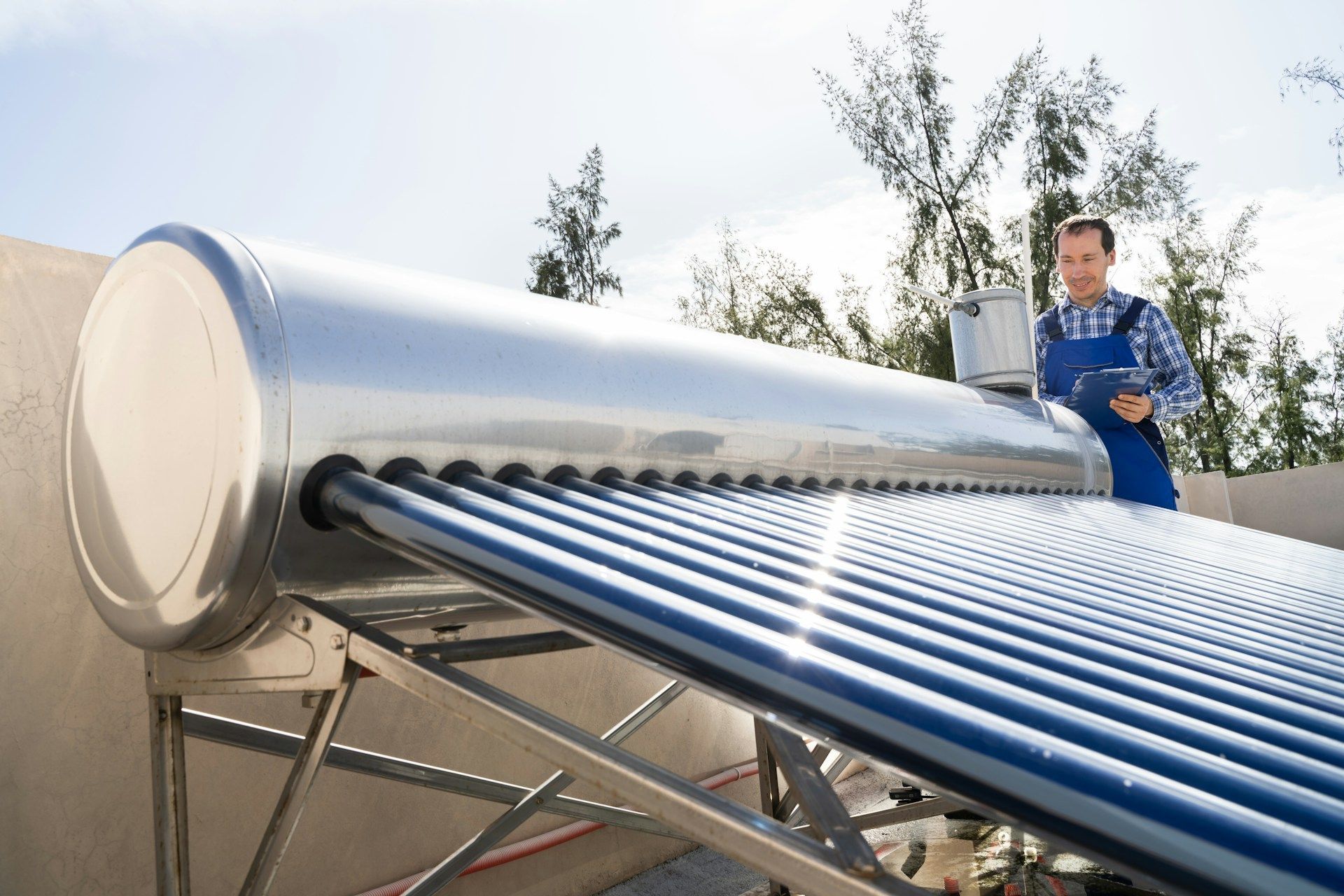
Tankless heaters focus on flow rate. They are rated by how many litres per minute they can heat to a set temperature. If your peak guest demand is higher than that flow, you may see lukewarm water when multiple taps or showers are on.
Watch for early signs your system might not handle guests well, such as:
- Second or third shower turning lukewarm or cold
- Long waits between loads of laundry or dish cycles
- Rust-coloured or cloudy hot water
- Odd banging, rumbling, or whistling sounds from the heater
- Needing to reset the unit often
If your peak guest demand number is close to or above your tank’s realistic capacity, or above a tankless unit’s rated flow, it is time to think about new hot water systems before your next busy weekend.
Choose the Right New Hot Water System for Your Home
New hot water systems come in three main types: tank, tankless, and hybrid heat pump. Each has different strengths, and the best choice depends on your home and how you host.
Here is a simple way to look at them:
- Traditional tank heaters
- Pros: Familiar, simple, works well in many homes
- Cons: Limited stored volume, can run out during peaks, takes floor space
- Tankless or on demand
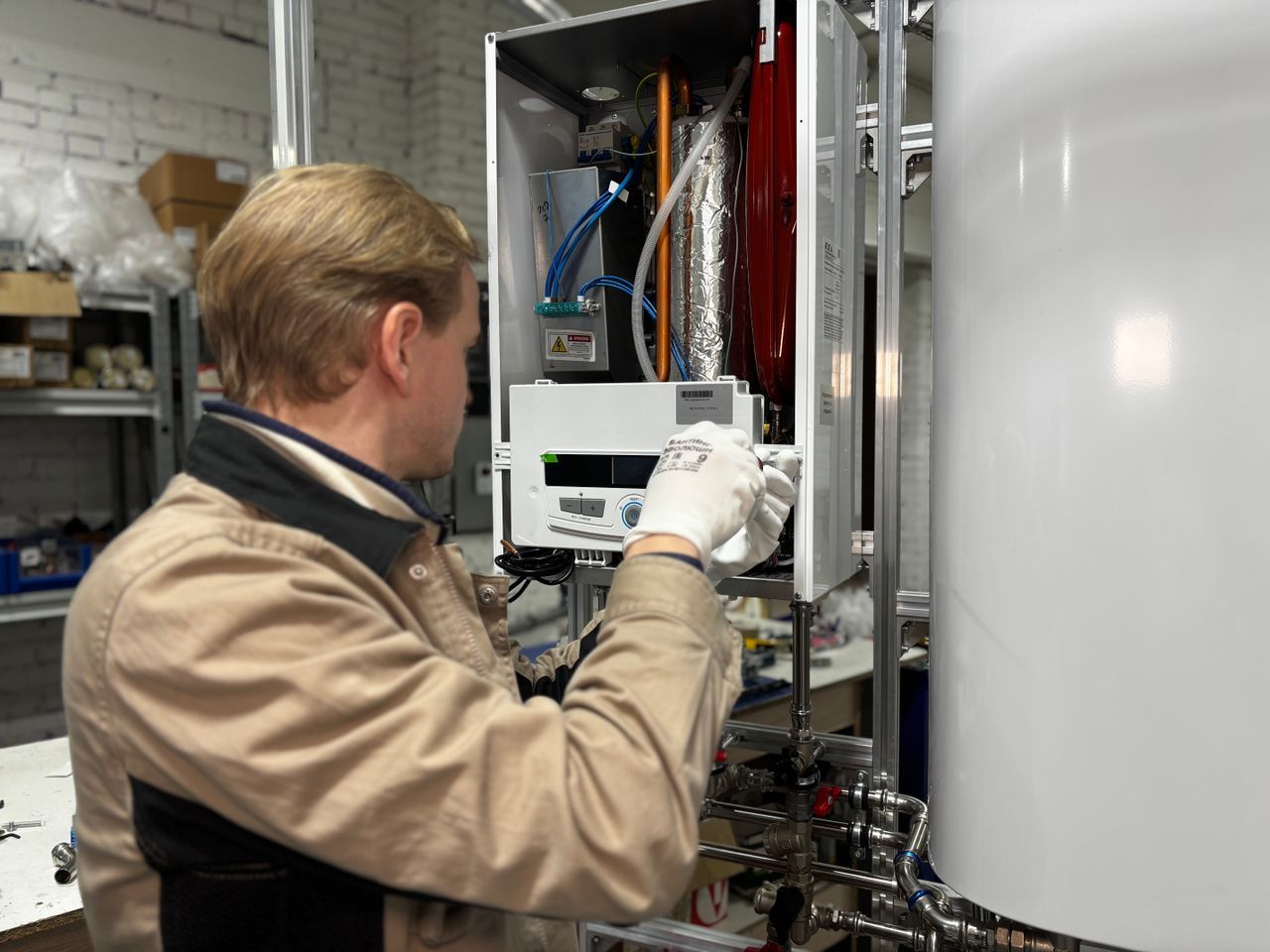
- Pros: Endless hot water within the flow limit, wall mounted, good for frequent showers
- Cons: Needs a correct gas line and venting, may need upgrades, flow must match demand
- Hybrid heat pump water heater
- Pros: Uses less energy than standard electric tanks, good for steady daily use
- Cons: Needs more space around the unit and good air movement, can have longer recovery in very high demand periods
Different homes need different setups:
- Small condos or suites with occasional guests may do well with a compact tank or a single tankless unit, as long as the flow matches one shower plus a small appliance load.
- Growing families with frequent visitors may need a larger tank, a high-capacity tankless, or even a combination of units to keep up with morning demand.
- Light commercial or multi-suite setups sometimes need paired tankless units or larger storage to handle many showers and appliances at once.
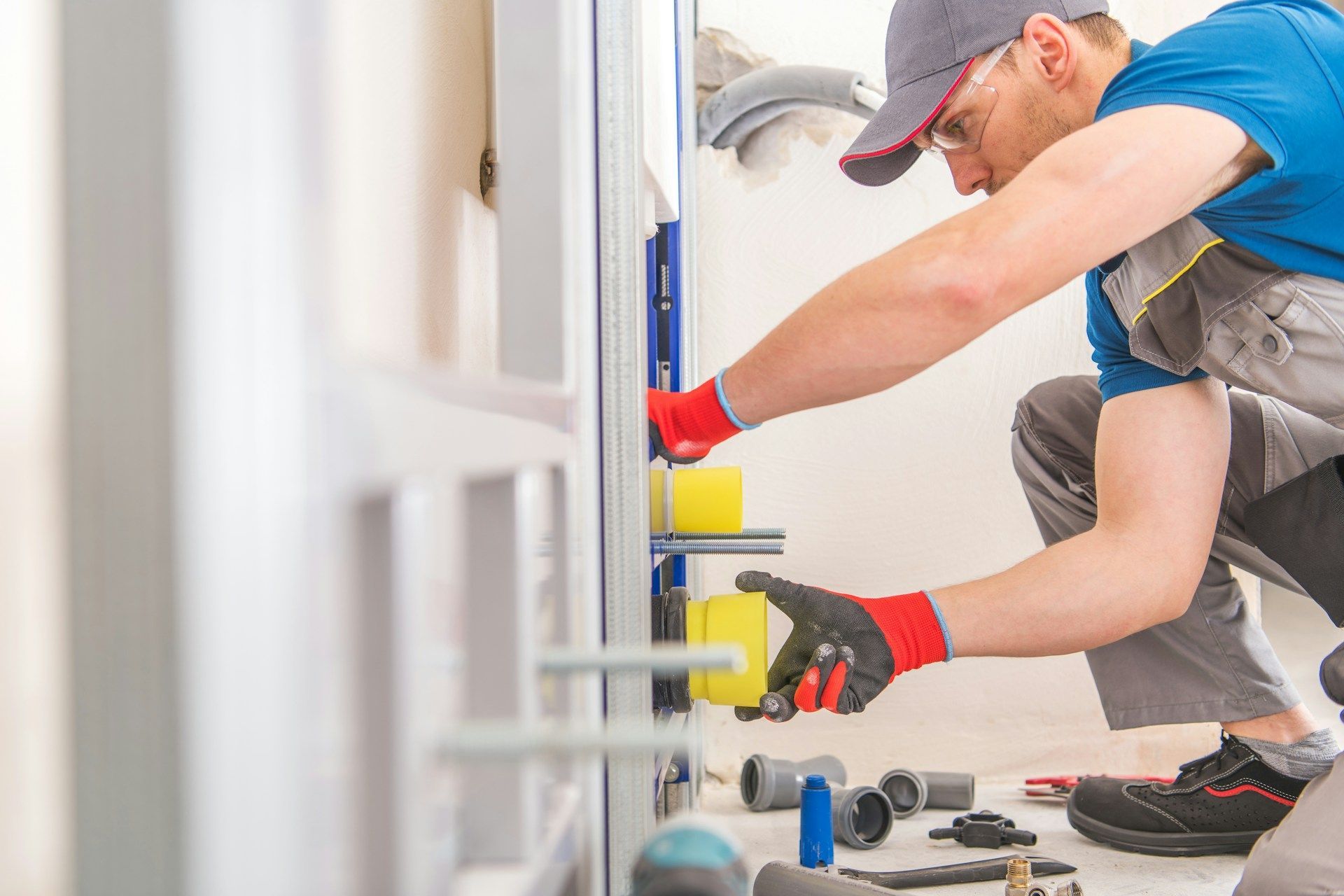
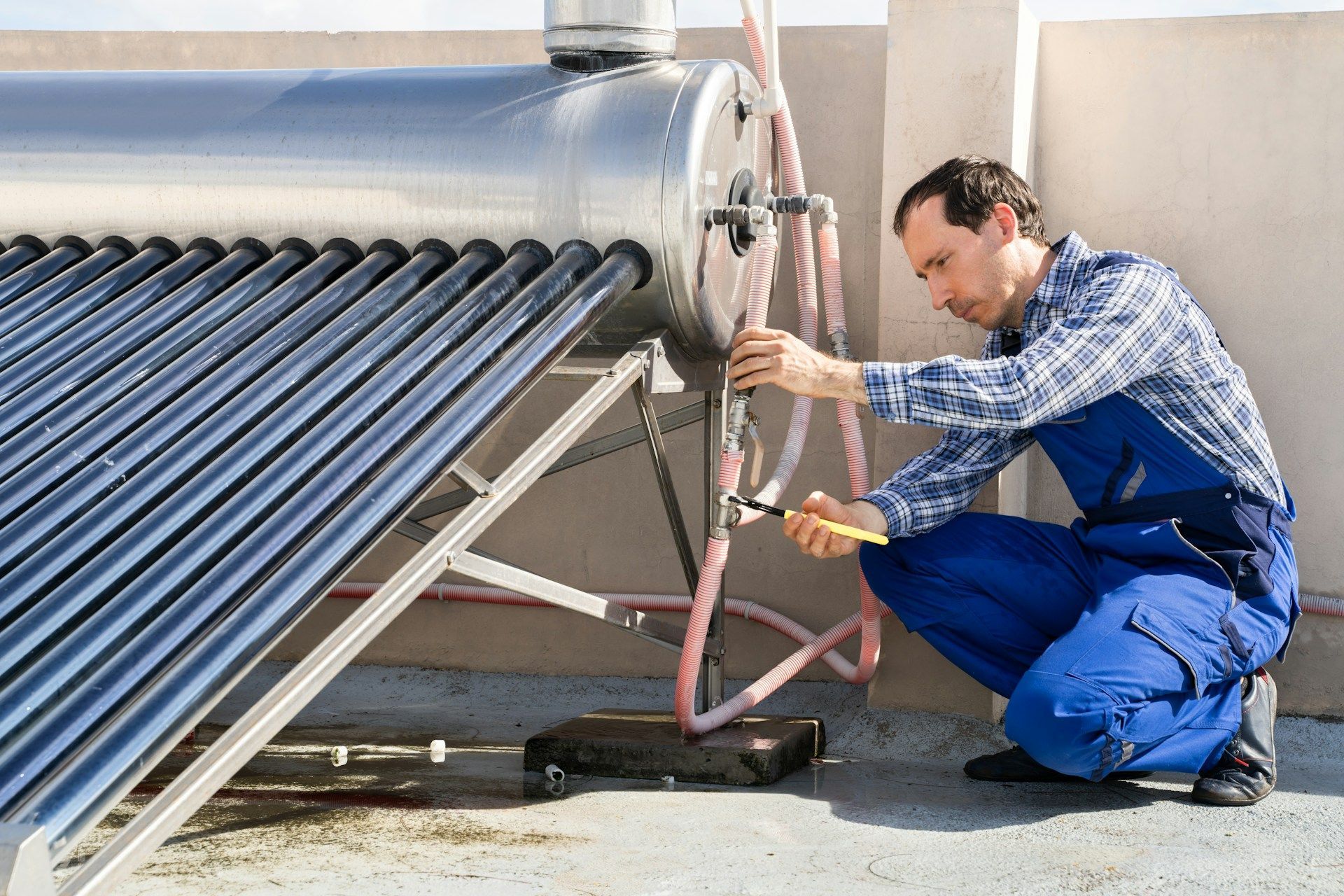
A professional plumber can check gas line sizing, venting routes, and electrical panel capacity. They can also help choose the right spot for a new system so you meet building rules and keep future maintenance easy.
Build a Seasonal Upgrade Timeline Before Guests Arrive
Now that you know your peak demand and your current capacity, you can build a simple timeline so upgrades do not clash with guest weekends.
A basic plan might look like this:
- Early in the season, do your worksheet, check your heater, and decide if an upgrade is needed.
- Allow time for a professional assessment and written options.
- Choose your preferred system and book an installation date well before any big hosting plans.
Think through a few practical details:
- Make sure there is clear access to the utility room or closet. Move storage boxes, shelves, or laundry if needed.
- Expect a brief water shutoff during installation and plan around meals, kids, or work at home.
- Avoid booking installation on the same day as major renovations or big cleaning plans so you are not tripping over multiple projects.
Upgrading before the cold, wet season settles in can help your new system handle cooler incoming water more easily. Some setups can also be paired with backup plans that keep hot water more reliable when storms roll through and everyone is home at once. Most of all, planning early means you are not rushing to replace a failing unit days before guests arrive.
Turn Your Worksheet Into a Confident Upgrade Plan
Once your “weekend guest hot-water worksheet” is filled in, keep it handy. It should include your peak guest demand number, notes on your current system type and age, and a short wish list for how you want your hot water to feel during busy weekends.
When you are ready to talk about new hot water systems, that worksheet gives a clear starting point. At Willowbrook Plumbing and Heating, we use details like your guest habits, space, and fuel source to suggest options that make sense for Langley-area homes. With a bit of planning, your hot water can be one part of hosting that you never have to worry about again.
Upgrade Your Home Comfort With Reliable Hot Water
If you are thinking about replacing an old tank, we can help you choose and install the right
new hot water systems for your home and budget. Our licensed technicians will walk you through your options, explain the pros and cons, and handle everything from removal to final testing. Reach out to Willowbrook Plumbing and Heating today to schedule a consultation or
contact us with any questions about your upcoming upgrade.