Blog
Protect Your Home Before Langley’s First Hard Frost
Getting your plumbing ready before the first hard frost is one of the smartest things you can do for your home. When daytime feels damp but mild and nights drop close to freezing, your pipes, hose bibs, and water heater all feel that change. A little planning in autumn helps stop surprise leaks, burst lines, and water heater trouble when the cold really settles in.
Outdoor supply lines, hose bibs, and shutoff valves are all connected to the same system that feeds your water heater. If something freezes and splits outside, that pressure can travel inside, putting strain on your tank and other plumbing parts. By taking care of a few simple autumn plumbing maintenance tasks, you can reduce the odds of emergency calls, water damage, and cold showers in the middle of winter.
Why Autumn Plumbing Maintenance Matters in Langley
In Langley, fall often brings damp air, wind, and temperatures that bounce around the freezing mark. One night might just be chilly and the next can bring a sharp frost. That constant freeze-thaw is hard on plumbing, especially anything near exterior walls, crawl spaces, or unheated garages.
When water in a pipe freezes, it expands. That expansion can crack pipes, fittings, and hose bibs. Even if the pipe itself does not break, the ice can act like a plug. Pressure on the warm side of the system then builds up, which can push stress and tiny bits of debris back toward your water heater. Over time, that strain can lead to leaks at joints, worn valves, and relief valves that start to drip.
Each cold season, common issues many homeowners see include:
- Burst outdoor supply lines that feed garden taps
- Split or leaking hose bibs that only show up once things thaw
- Shutoff valves that will not turn or will not close fully when needed
The good news is that simple fall checks, done before real cold hits, can help avoid many of these problems. Making autumn plumbing maintenance part of your routine is a smart way to protect both your pipes and your water heater.
Winterize Outdoor Hose Bibs Before Temperatures Drop
Hose bibs are often the first place cold weather causes trouble, because they sit outside and see a lot of use in warmer months. Before temperatures get near freezing overnight, it is wise to deal with any garden hoses and outdoor attachments.
Here are some basic steps many homeowners follow in autumn:
- Turn off any hose-end sprayers, timers, or attachments and remove them
- Disconnect garden hoses from each outdoor tap
- Drain the hose fully by lifting and coiling it so water runs out
- Store hoses in a shed, garage, or other dry spot for the winter
If hoses stay connected, water can sit inside the bib and pipe near the wall. When that water freezes, the metal can split, even if everything looks fine from the outside at first.
There are two main types of hose bibs:
- Standard hose bibs, where the shutoff point is close to the handle outside
- Frost-free hose bibs, where the actual shutoff point is farther inside the wall
Frost-free hose bibs are helpful in cold weather, but in our climate they still benefit from autumn maintenance. If a hose is left attached, the frost-free design cannot do its job, because water stays trapped near the cold end of the pipe.
Watch for warning signs such as:
- Dripping from the hose bib during cold weather
- Visible cracks, rust, or staining around the exterior tap
- Moisture, staining, or a musty smell on the wall inside where the hose bib comes through
If you notice any of these issues, or if your hose bib does not fully shut off, it is safer to have a professional plumber inspect and repair or replace it before winter.
Safeguard Supply Lines and Shutoff Valves From Freezing
Shutoff valves are your best friend in a plumbing emergency, so autumn is a great time to make sure you know where they are and that they actually work. Many homes have:
- A main water shutoff where the water line comes into the house
- Individual shutoffs for outdoor hose bibs or branch lines
- Water heater isolation valves on the hot and cold lines at the tank
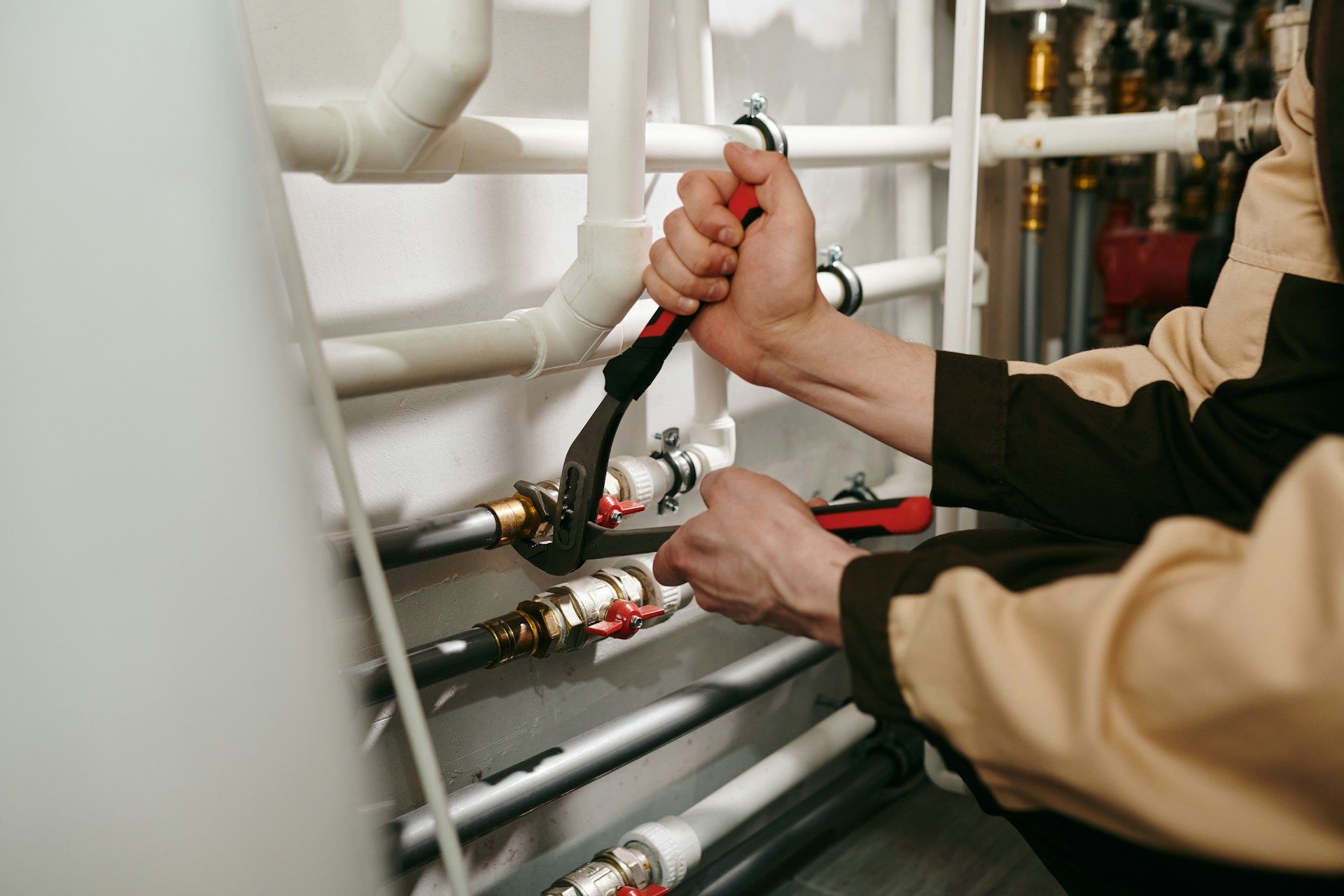
Walk through the home and gently turn each valve off, then back on again. If a valve will not move, feels loose, or leaks around the stem, that is a sign it may need attention. You do not want to learn that a valve is stuck in the middle of a winter pipe leak.
Exposed supply lines in unheated areas are more likely to freeze. This often includes:
- Lines in garages, crawl spaces, and unfinished basements
- Pipes running along exterior foundation walls
- Lines above drop ceilings or near vents and doors
Insulating these pipes helps lower the risk of freezing and can keep water temperature more stable. That can make your system easier on your water heater, since it is not dealing with quite as much temperature swing.
Working shutoff valves also protect the water heater if something does go wrong in winter. If a line bursts, being able to quickly close the right valves can prevent the tank from draining out through a broken pipe. Fast action can limit water damage, keep the heater itself from running dry, and give time for a plumber to fix the problem properly.
Protecting Your Water Heater From Cold Weather Damage
As the weather cools, the water coming into your home gets colder too. Colder incoming water makes your water heater work harder. If supply lines are partly frozen or stressed, that strain increases. Older tanks, joints, and relief valves are especially at risk during this time.
In autumn, many homeowners like to give the water heater area a quick visual check:
- Make sure the area around the tank is clear of boxes, paint cans, and clutter
- Look for any damp spots, rust streaks, or small drips on or near the tank
- Listen for new banging, popping, or whistling sounds while hot water is running
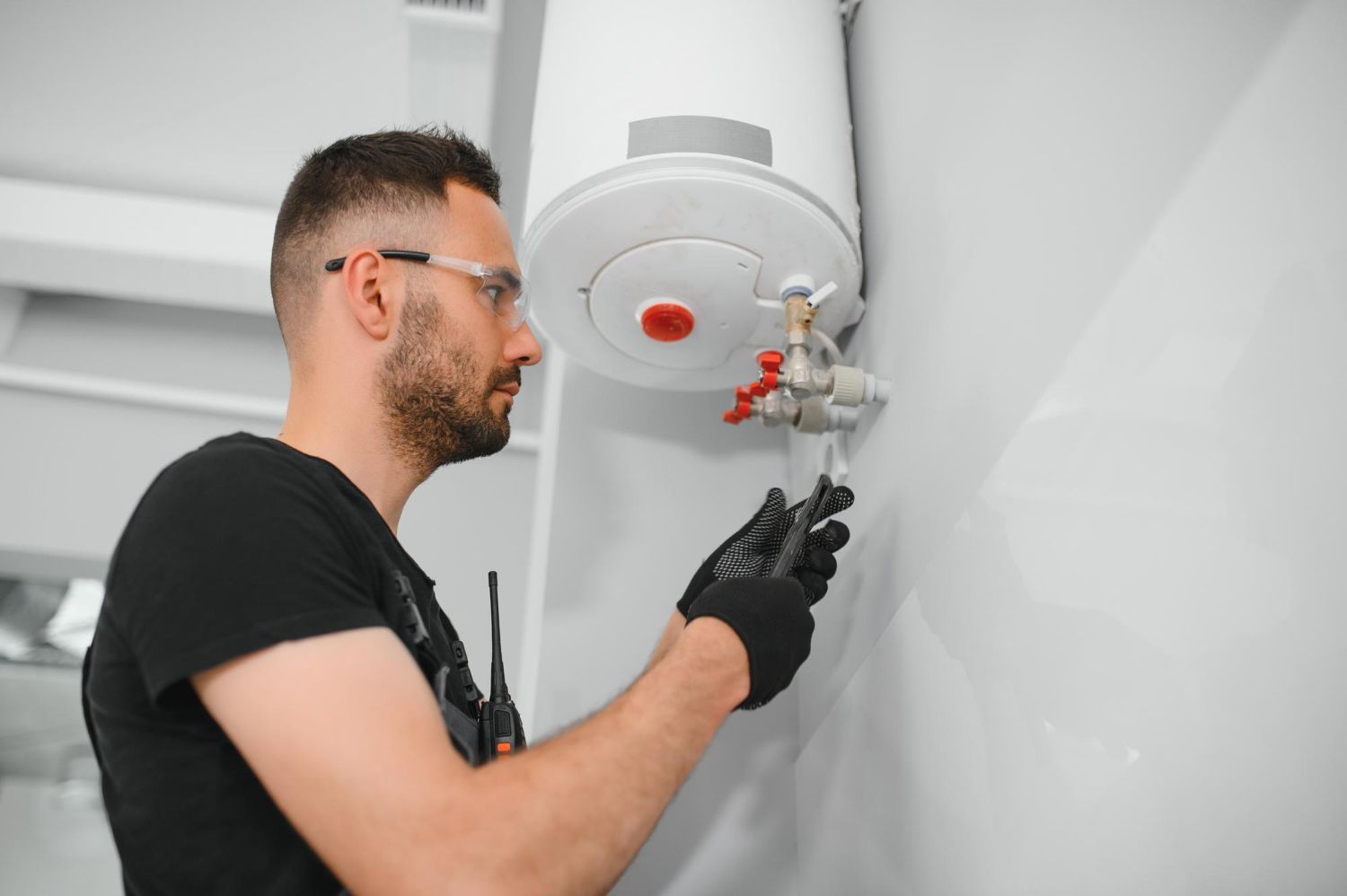
- Make sure you can easily reach the shutoff valves and that the path is not blocked
These simple checks do not replace professional service, but they can alert you to issues early. Small leaks, odd noises, or signs of corrosion are all reasons to bring in a plumber before winter demand goes up.
Many homeowners also choose to have a plumbing maintenance visit in autumn. During a visit, a plumber can inspect the water heater, flush sediment if needed, check safety valves, and confirm that shutoff valves and connections are in good shape for the colder months. That extra care can help your system run more smoothly when everyone is using more hot water.
Seasonal Plumbing Maintenance Checklist for Langley Homes
To keep things simple, it helps to think of autumn plumbing maintenance as a short checklist you follow each year. Here is a basic fall list many Langley homes can use:
- Disconnect, drain, and store all outdoor hoses and attachments
- Drain hose bibs as needed and watch for leaks or damage
- Find and test main and branch shutoff valves so you know they work
- Add insulation to exposed supply lines in unheated spaces
- Clear around the water heater and look for any signs of leaks or wear
Timing is important. Try to finish these tasks before the first hard frost is in the forecast. Weather can change quickly, so it is usually better to be a bit early than a bit late. Homeowners who plan ahead also find it easier to arrange professional maintenance early in the season, before the busiest cold-weather period.
At Willowbrook Plumbing and Heating, we have worked with Langley and nearby communities for many years and know how local weather affects residential plumbing and water heaters. With regular autumn plumbing maintenance and a good plan for your home, you can head into winter with more confidence, knowing your supply lines, hose bibs, shutoff valves, and water heater are all prepared for the colder months.
Protect Your Home With Proactive Plumbing Maintenance
Stay ahead of leaks, clogs, and costly surprises with our tailored
plumbing maintenance services. At Willowbrook Plumbing and Heating, we inspect, tune, and optimize your system so it runs reliably in every season. If you are ready to schedule a visit or ask a question, simply
contact us and we will help you choose the best maintenance plan for your home.