Blog
Avoid Cold Showers and Costly Surprises
When you buy a home in Langley or the Fraser Valley, the water heater you inherit comes with the keys. It might be brand new, or it might be quietly hanging on by a thread. Before the cool, rainy weather hits and everyone is taking longer hot showers, it helps to know if your water heater is ready for the season or ready for retirement.
In this walkthrough, we will show you how to find your water heater, learn what type you have, spot warning signs, and get a rough idea of how much life it has left. We will also talk about some simple first-year planning so you can avoid rushed water heater replacement, surprise leaks, and the stress of a cold shower on a busy weekday morning.
Your water heater should be one of the first systems you look at after you get the keys. A unit that is aging, poorly installed, or not sized for your family can lead to:
- Unexpected breakdowns at the worst time
- Leaks that damage floors, walls, and stored items
- Higher gas or electricity bills
- Last‑minute emergency replacement when you have no time to compare options
Our goal is to give you a clear, simple way to check your tank, understand roughly where it is in its lifespan, and plan a reasonable first‑year budget around it.
Get to Know Your Water Heater
New home, new systems. Before you worry about details, start by finding the unit and getting a sense of what you are working with.
In Langley homes, water heaters are often in:
- The garage, near the furnace
- A basement or crawl space
- A hallway or laundry utility closet
Make sure the area around the heater is easy to reach and not crammed with boxes or storage. You want a clear path so a technician can work on it safely. Do not move heavy items stacked around it if it feels unsafe, and do not remove any covers or panels yourself.
Next, figure out the type and size:
- Gas vs electric: Gas units usually have a metal vent pipe on top and a gas line with a shutoff valve. Electric units typically have electrical conduit or a large cable going into the top and no vent.
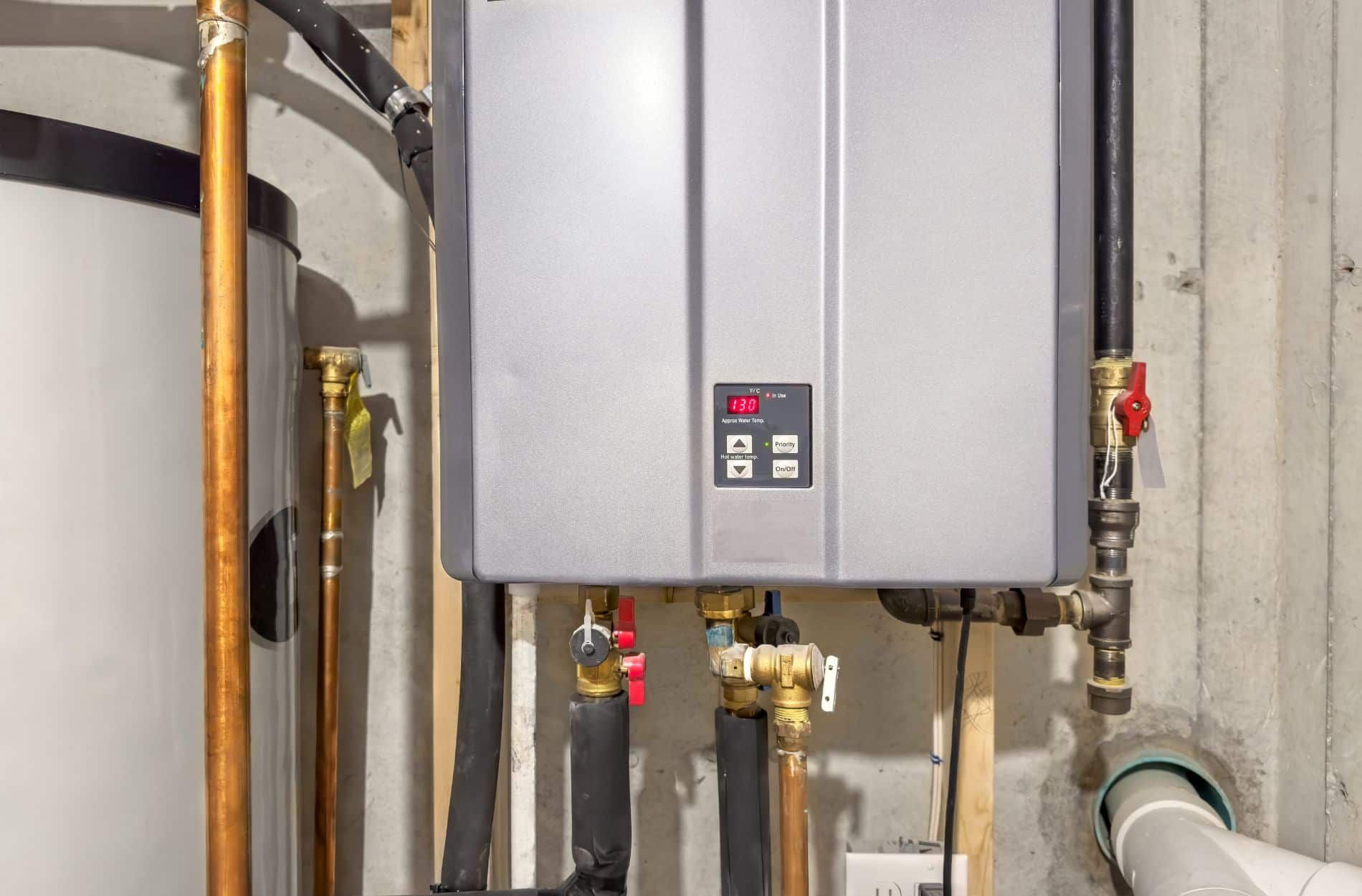
- Tank vs tankless: A tank heater is a large cylinder that stores hot water. A tankless unit is smaller, usually wall‑mounted, and heats water as it flows through.
- Capacity: On tank heaters, you will see a number in litres on the label. Larger families or homes with multiple bathrooms often need a bigger tank or an appropriately sized tankless system.
To check age and model, look for the nameplate sticker, usually on the side of the tank:
- Find the brand name and model number
- Find the serial number, which often includes the manufacture date coded into it
- Use that information to determine when the heater was made and compare that to typical lifespan ranges
If you are not sure how to read the serial number, a professional can confirm the age for you during an inspection.
Inspect for Wear, Leaks, and Safety Risks
Once you know what you have, do a simple visual check, without touching any controls or wiring. You are just looking for obvious red flags.
Start with the area around the base:
- Any puddles or damp spots on the floor?
- Rust stains running down the side of the tank or on nearby concrete?
- A tank that looks warped, dented, or bulging?
Check the pipes and fittings at the top:
- Corrosion or white crusty buildup around joints
- Flexible connectors that look kinked or damaged
- Any signs of slow weeping leaks around fittings
Look for the temperature and pressure relief valve, usually on the side or top of the tank with a small lever and a pipe running down. That pipe should point down toward a drain or close to the floor, not capped or blocked. If you do not see a relief valve or the pipe is missing, cut short, or aimed in an odd direction, that is a concern.
For gas water heaters, take a careful look at:
- The vent pipe connection at the top of the unit
- Any gaps, disconnects, or sections that look loose
- Dark staining or scorch marks near the burner area
You should also check the space around the heater. There should be enough room for air to reach the burner. Flammable items like paint cans, cardboard boxes, or fuel containers should be kept away. It is also a good idea to have a carbon monoxide detector nearby if you have gas appliances in the home.
If you notice strong gas smells, heavy rust, soft flooring around the unit, or heavy staining on the vent pipes, it is time to stop and have a professional look right away.
Estimate Lifespan and Decide on Replacement Timing
Water heaters do not last forever. Even with good care, there comes a point when it makes more sense to plan a water heater replacement than to keep patching an old unit.
Typical ranges you might hear for different styles are:
- Standard tank heaters: shorter lifespan
- High‑efficiency tanks: can sometimes last a little longer
- Tankless units: often longer, especially with regular service
Local water quality, how often the heater is used, and past maintenance all play a big role. Hard water, heavy use, and skipped service can shorten the life of any heater.
Watch for these red flag symptoms:
- Water that goes lukewarm more often, or runs out faster than it should
- Strange rumbling or popping sounds from the tank
- Hot water that looks rusty or cloudy at the tap
- Bills creeping up when your hot water use has not changed
If your heater is older and showing more than one of these signs, that is a hint to start planning a replacement instead of waiting for a total failure.
A small, simple repair may be worth it if:
- The heater is still within a reasonable age range
- The issue is minor, like a single valve or small part
Replacement starts to make more sense if:
- The unit is at or past its expected lifespan
- You are facing bigger repairs or repeated service calls
- You want better efficiency, more hot water, or a different style, like moving from a tank to tankless
Warranty coverage and your long‑term plans for the home are also part of the picture. A local technician can walk you through repair versus replace in plain language.
Build a First-Year Hot Water Budget
As a new homeowner, you do not need every upgrade right away. It helps to make a simple plan for the first year so hot water is one less thing to worry about.
Priority items to budget for often include:
- A professional inspection and safety check
- Flushing sediment from the tank to help performance
- Replacing a worn anode rod to slow internal rusting
- Adding a drip pan and drain line under the tank in finished spaces
- Adding or updating seismic strapping where needed
If your unit is older or already making you nervous, start thinking about a future water heater replacement. Costs can vary based on:
- Gas vs electric
- Tank vs tankless
- Size and location of the unit
- Any work needed to bring venting, piping, or wiring up to current code
Seasonal timing also matters. Booking service before the weather turns cold can help you:
- Avoid peak‑season breakdowns when everyone is turning on their heat
- Get ahead of scheduling delays
- Reduce the chance of paying extra for urgent after‑hours visits
Even if your heater is not ready for replacement yet, setting aside a little each month for that eventual day can make the decision less stressful when the time comes.
When to Call Willowbrook Plumbing and Heating
There are a few clear signs that it is time to get a professional set of eyes on your water heater. If you see visible leaks, heavy rust, confusing or missing safety valves, scorch marks, or you simply cannot tell how old the unit is, it is safer to have an expert check it. The same goes if the heater is already close to the end of its typical lifespan or you are noticing repeated hot water problems.
As a Langley‑based plumbing and heating team, we work with the same styles of water heaters found across local homes and newer builds in nearby communities. We can help you understand the current condition of your unit, talk through honest repair and replacement options, and size a new system that matches your family’s hot water use. Many homeowners also like to look at furnace and water heater upgrades together so they can improve comfort and efficiency at the same time and plan long‑term savings around both systems.
Upgrade Your Home Comfort With Reliable Hot Water
If your current unit is struggling to keep up, we can help you plan a smooth
water heater replacement that fits your home and budget. At Willowbrook Plumbing and Heating, we assess your system, explain your options in clear terms, and handle the installation with care and respect for your space. Reach out today through our
contact page so we can schedule a convenient time and get your hot water running properly again.