Blog
How Simple Checks Save You From Midnight Heater Emergencies
Plumbing maintenance sounds boring until the heat cuts out on the coldest night of the year. Many no-heat calls start with small plumbing issues that were easy to ignore in warm weather. By the time the furnace or water heater shuts down, the problem has usually been building quietly for months.
In most homes, plumbing and heating are closely tied together. Water supply lines, gas piping, venting, and drains all share space and often share components. A tiny leak, a slow drain, or a sticky valve can put extra stress on your heater every single day. Over time, that stress adds up to breakdowns, emergency calls, and a lot of frustration.
Our goal with this article is simple: show how regular plumbing maintenance protects your heater and your comfort. As a Langley-based team working across the Fraser Valley, we see the same patterns in local homes, from older houses with original piping to newer builds with high-efficiency systems. When homeowners stay on top of “small” plumbing issues, they avoid many of the big, stressful heater failures.
You will learn how hidden plumbing problems overwork your heater, which simple checks keep it safe, what your furnace is telling you about your plumbing, and how to prepare your whole home before the cold really hits.
Hidden Plumbing Issues That Overwork Your Heater
Most plumbing problems do not start as disasters. They start as annoyances: a bit of moisture, a slow tap, a drain that gurgles. The trouble is, those small issues can make your heater run harder and longer than it should.
Some common hidden problems include:
- Small leaks under sinks or around the hot water tank
- Moist spots behind finished walls or in basement corners
- Dripping valves near the boiler or water heater
- Condensation that never seems to dry up
When hot water is leaking, even slowly, your water heater has to keep reheating fresh cold water. That means more burner or element cycles and more wear. The same thing happens in combination boiler systems that feed both heating and domestic hot water. The system never really gets a break.
Low water pressure, clogged fixtures, or partially closed valves can also affect heater performance. This is especially true for:
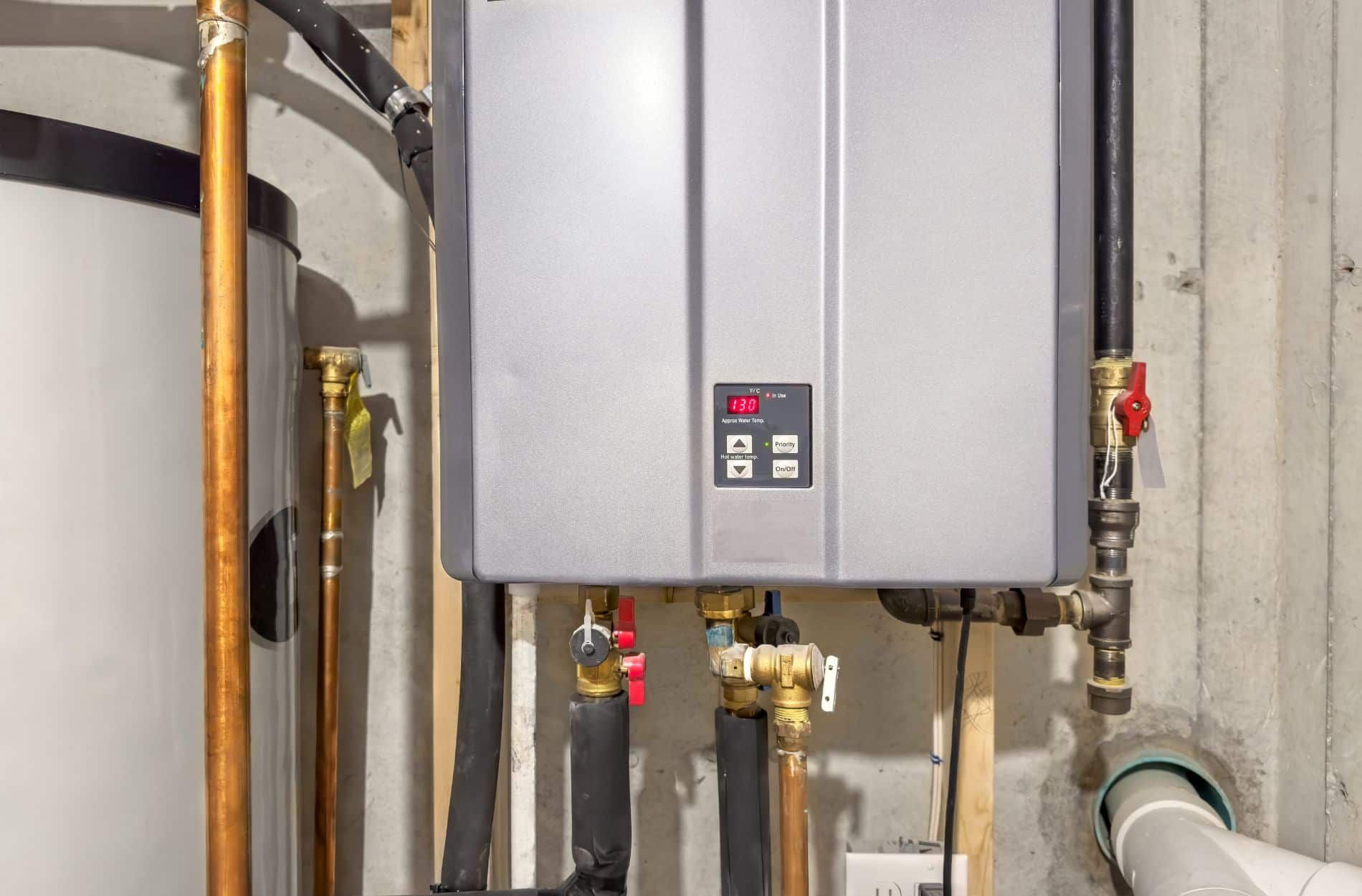
- Tankless water heaters, which need a steady flow to fire correctly
- Combination boilers that feed baseboards or in-floor heat
- Homes with long runs of small water lines
If the flow is restricted, the heater can short-cycle, overheat, or shut down unexpectedly. You might notice inconsistent temperatures at taps or slower hot water delivery long before the heater actually fails.
Slow-draining fixtures can hint at bigger problems too. A sluggish floor drain in a utility room or basement is easy to ignore, but if that drain backs up, it can flood your furnace or boiler area. Sewer line issues can also bring moisture and corrosive gases into spaces that hold gas lines and heat equipment.
Many of these problems begin quietly in late summer when heating use is low. When cold weather arrives and your heater has to work harder, the weak spots show up fast.
How Plumbing Maintenance Protects Your Water Heater
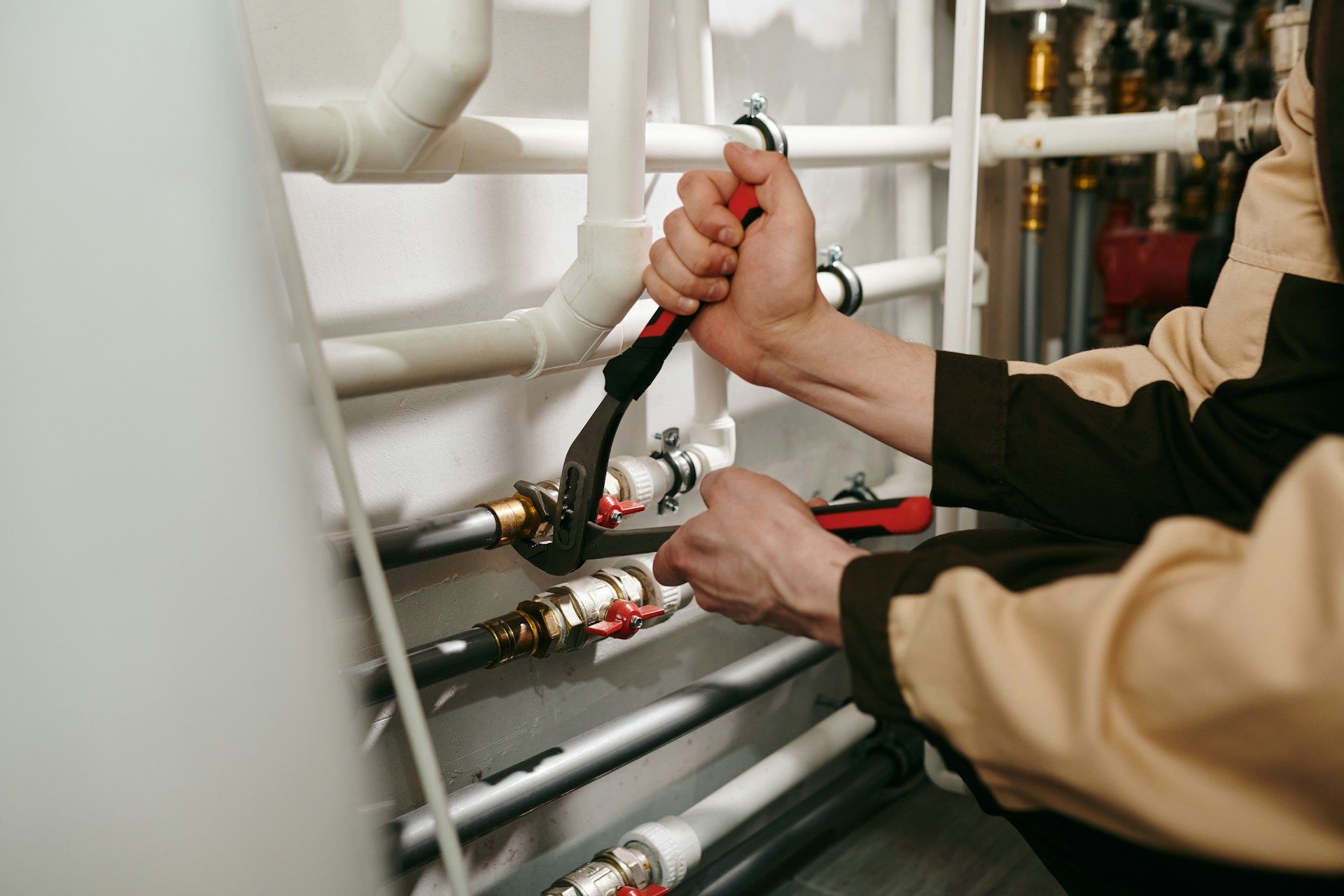
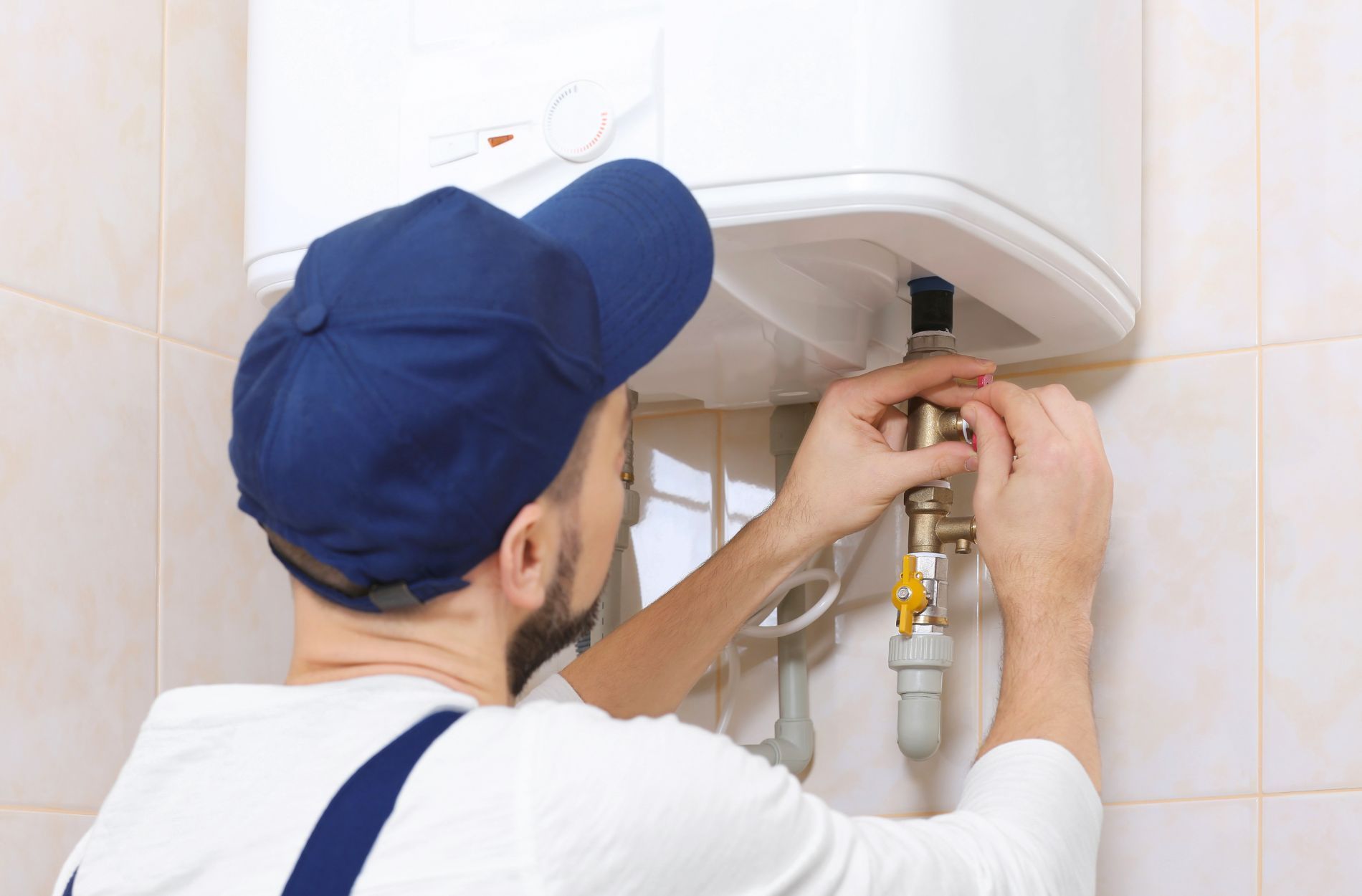
Targeted plumbing maintenance can add years to your water heater’s life and reduce the chance of sudden failure. For most homes, this includes a few key tasks that are best handled by a professional.
Important hot water system checks include:
- Flushing sediment from the tank
- Checking and replacing the anode rod when needed
- Inspecting hot and cold shutoff valves for smooth operation
- Testing the temperature and pressure relief valve for safe release
In the Fraser Valley, local water conditions can lead to scale and mineral buildup inside tanks and on heating elements. A layer of scale acts like a blanket on the heat source, so the burner or element has to work harder and longer to heat the same amount of water. That extra strain can lead to noises, hot spots, and early failure.
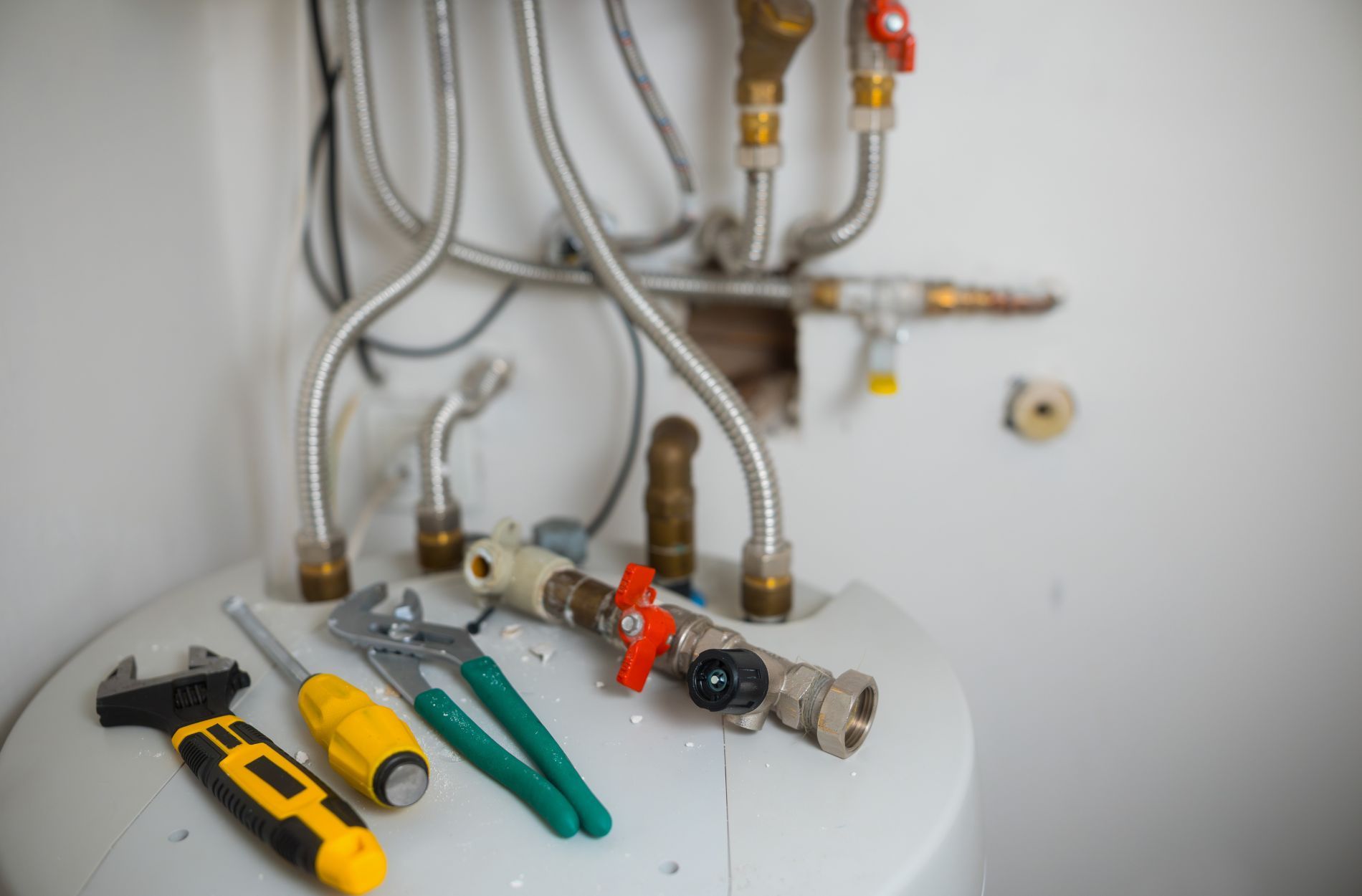
Good plumbing maintenance also looks at the supporting pieces around your heater, such as:
- Expansion tanks, which help absorb pressure changes
- Pressure reducing valves on the main water line
- Properly sized and supported supply lines
If system pressure is too high, or there is no room for hot water to expand, tanks can crack or develop leaks at seams and fittings. Undersized or poorly run lines can starve the heater of flow and increase wear.
Booking this kind of maintenance in late summer gives you time to plan any needed repairs or upgrades before you depend on hot water and heating all day, every day.
What Your Furnace Reveals About Your Plumbing Health
Modern high-efficiency furnaces and boilers often produce condensate, a cool liquid that must drain away safely. That means your heat system depends on clear, properly sloped drain lines. If these lines clog or sag, water can back up into the unit and cause it to shut down for safety.
You might notice:
- Water pooling around the furnace or boiler
- A musty smell near the unit
- Algae or slime in the condensate pump or tubing
These are plumbing issues, even though they show up at your heater. The same is true for gas lines, shutoff valves, and venting. Corrosion on nearby water pipes, shifting floors, or past leaks can affect the alignment and condition of gas piping and vents.
Warning signs around the furnace or boiler that are actually plumbing related include:
- Puddles or damp concrete under or near the unit
- Rust on surrounding water lines, fittings, or gas pipes
- Hissing sounds from valves or pumps
- Frequent pressure drops on boiler gauges
An annual furnace or boiler check paired with a quick plumbing review around the equipment can catch these cross-system problems early. Fixing a little drain issue or a corroded fitting now is much easier than dealing with a no-heat emergency when temperatures drop.
Seasonal Plumbing Tune-Ups Before Fall Cold Snaps
A simple seasonal plumbing tune-up can protect both your pipes and your heater. Late summer is a good time to look things over before the weather turns.
A basic end-of-summer checklist often includes:
- Inspecting visible pipes for leaks, corrosion, or staining
- Testing outdoor hose bibs and shutting them off properly when needed
- Checking that sump pumps work and discharge correctly
- Confirming that shutoff valves open and close smoothly
In our local climate, it is also smart to think about cold spots in the home. Areas near exterior walls, crawl spaces, and unheated garages can be tough on pipes. Protecting exposed lines, checking pipe insulation, and keeping good drainage away from the foundation all reduce the chance of frozen or burst pipes.
Frozen pipes are more than a plumbing mess. If a line bursts near your furnace, boiler, or electrical panel, the water can damage controls and wiring and shut your system down right when you need it most. Good drainage and dry mechanical rooms help keep heaters running safely and reliably.
Many homeowners find it convenient to pair a fall furnace inspection with a plumbing maintenance visit, so both systems are checked in one efficient tune-up. This way, you start the colder months knowing your heater, water lines, and drains are all ready to work together.
Turn Simple Maintenance Into Year-Round Comfort
Consistent plumbing maintenance is one of the smartest ways to avoid surprise heater failures. By paying attention to leaks, drains, valves, and water pressure, you lighten the load on your water heater and furnace. That means more reliable comfort, fewer emergencies, and a better chance your equipment will last longer.
Shifting from a “fix it when it breaks” mindset to planned care brings peace of mind, especially during winter storms and cold snaps. Keeping a simple home log of maintenance visits, filter changes, and repairs makes it easier for any technician to see patterns and stop small issues from turning into bigger problems.
At Willowbrook Plumbing and Heating, we see every day how clean, healthy plumbing supports stable, comfortable heating. When your systems are checked regularly and working together, your home feels better all year long.
Get Started With Your Project Today
If you are ready to prevent leaks, clogs and costly emergencies before they start, we are here to help. At Willowbrook Plumbing and Heating, our licensed technicians can build a customized
plumbing maintenance plan that fits your home, schedule and budget. Reach out today so we can assess your system and recommend practical next steps. Have questions or prefer to speak with someone directly? Simply
contact us to book an appointment.